Windenergie op zee: een groene toekomst met een grijs randje?
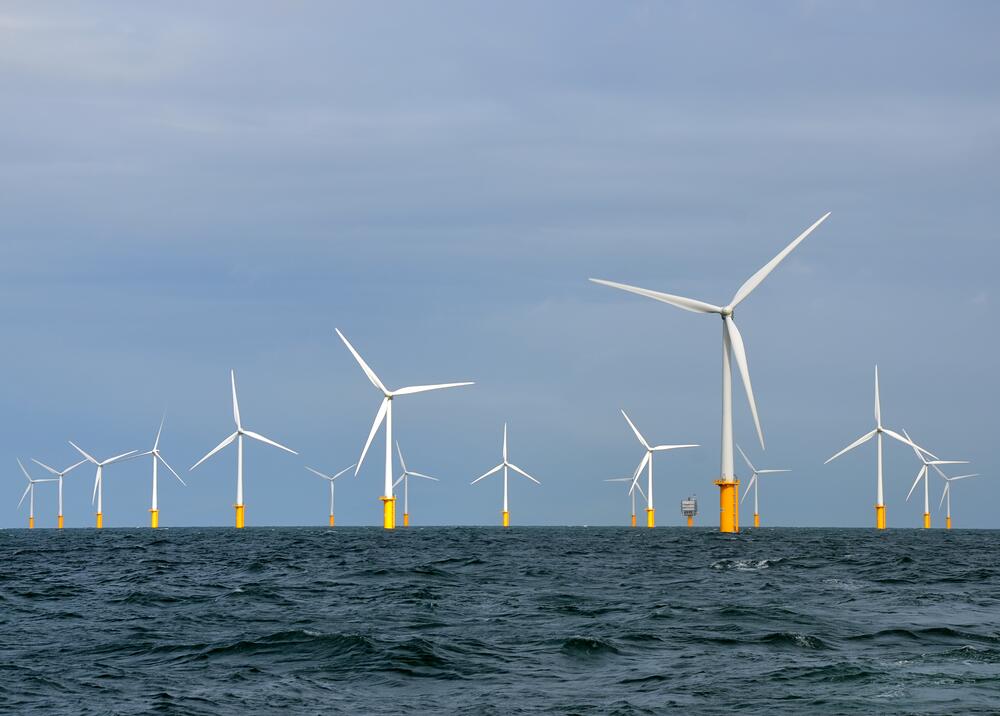
Eerder dit jaar kondigden negen Europese landen, waaronder België, trots een mega-investering van 1.000 miljard euro in windenergie op de Noordzee aan. Het doel is om tegen 2050 acht keer zoveel windenergie op te wekken als nu.
Het project wordt geprezen als politiek, economisch en ecologisch voordelig. Meer onafhankelijkheid van landen als Rusland, Saoedi-Arabië en de Verenigde Staten is een belangrijke aanleiding, net als de beloofde 91.000 extra jobs in de windenergiesector. Bovendien ligt de CO2-uitstoot veel lager dan die van fossiele energie. Eén factor blijft onderbelicht: de impact op lokale ecosystemen.
Meer windenergie op zee betekent meer infrastructuur in een ruwe omgeving. Zout zeewater veroorzaakt corrosie, die de levensduur van windturbines sterk verkort. Daar bestaat een oplossing voor: opofferingsanodes. Die lossen langzaam op, zodat de turbine zelf gespaard blijft. Bij dat proces komen verschillende metalen vrij in het mariene milieu. Van sommige, zoals zink en aluminium, is de impact redelijk goed in te schatten, want zij zijn al uitgebreid onderzocht. Over andere metalen was tot voor kort nauwelijks iets bekend.
Dat geldt voor indium en gallium. Deze metalen worden steeds belangrijker voor moderne technologieën en komen ook voor in de anodes, maar over hun effecten op het mariene milieu en de organismen die daar leven was bijna niets geweten. De masterthesis van Jens Broeckx (onderzoeksgroep ECOSPHERE, Universiteit Antwerpen) brengt daar verandering in. Twee diersoorten werden blootgesteld aan verschillende concentraties van beide metalen: het wadkreeftje, een kleine kreeftachtige die in de zeebodem leeft, en de zebravis, een veelgebruikt modelorganisme dat in de waterkolom voorkomt. Zo konden effecten in zowel de bodem als het water onder de loep worden genomen.
Geruststellend, of toch niet?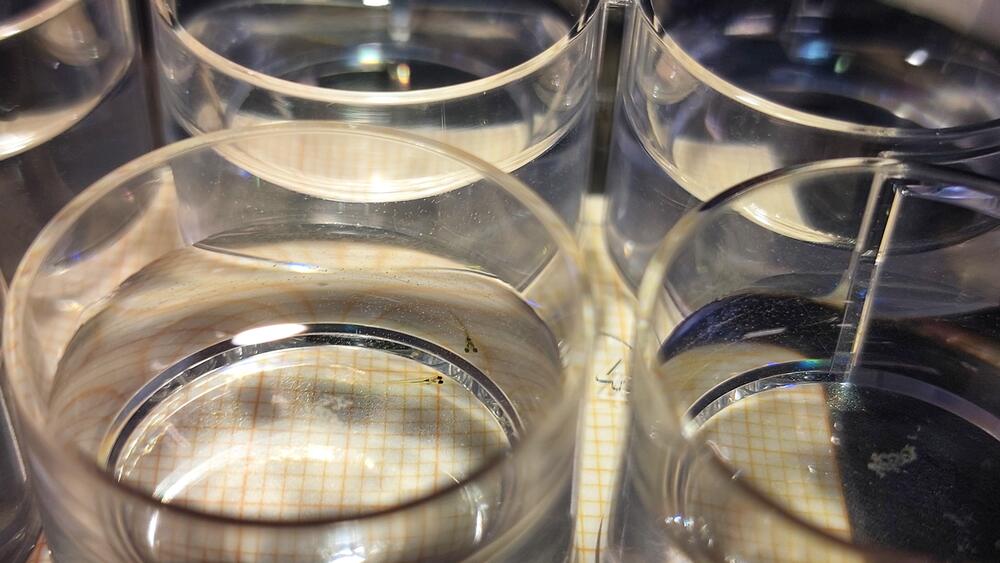
Op het eerste gezicht zijn de resultaten geruststellend. Zowel de wadkreeftjes als de zebravissen stierven niet, en ontwikkelingsstoornissen gelinkt aan de metalen werden niet vastgesteld. Dit gold zelfs voor concentraties die vele malen hoger liggen dan wat men vandaag in de Noordzee meet.
Toch zijn de metalen niet helemaal onschuldig. Naarmate de concentraties stegen, stapelden ze zich op in de dieren. De chronische effecten hiervan worden pas na langere tijd zichtbaar. Metalen die zich ophopen in organismen worden bovendien via de voedselketen doorgegeven aan andere dieren, en kunnen uiteindelijk op ons bord belanden.
Geen sterfte betekent dus niet dat de metalen geen effect hebben. Zo bond indium zich bijna volledig aan het sediment waarin de wadkreeftjes leefden. In het water was er nauwelijks indium te detecteren, maar de dieren namen het wel op via het sediment.
Dat resultaat legt een belangrijke blinde vlek in de milieumonitoring bloot. Vaak worden enkel de metaalconcentraties in de waterkolom gemeten, waardoor ten onrechte kan worden besloten dat er niets aan de hand is. Ondertussen nemen de concentraties in het sediment en in de dieren gestaag toe. Wat dat op langere termijn betekent, is nog niet onderzocht.
Niet elk metaal gedraagt zich hetzelfde
Opvallend is ook het grote verschil tussen indium en gallium. Indium was bijna afwezig in de waterkolom, gallium daarentegen kwam er volop voor. Die chemische verschillen bepaalden wat de dieren opnamen: de zebravissen namen amper indium op, simpelweg omdat het in hun leefomgeving nauwelijks voorkwam, maar wel veel gallium, aangezien dat voor hen beschikbaar was.
Bij de zebravissen werd een onverwacht verband gevonden: hoe meer indium in de omgeving, hoe minder gallium ze opnamen. Dat wijst wellicht op concurrentie via een nog onbekend mechanisme, mogelijk gelinkt aan het transport van ijzer in het lichaam. Een precieze verklaring vraagt verder onderzoek.
Een extra hindernis voor de energietransitie
De resultaten van deze studie betekenen echter niet dat windenergie op zee plots een kritieke bedreiging vormt voor het mariene milieu. De geteste concentraties veroorzaakten geen acute effecten bij de wadkreeftjes en zebravissen. Wat de studie wel aantoont, is hoe weinig we weten over metalen die vrijkomen door energie-infrastructuur op zee. De effecten zijn vandaag misschien beperkt, maar door de aangekondigde investering wordt onderzoek hiernaar dringender.
Hoe zorgen we ervoor dat de energietransitie niet alleen klimaatvriendelijk is, maar ook ecologisch verantwoord?
Broeckx pleit voor meer aandacht voor sediment in de milieumonitoring rond windmolenparken. Dieren die op of in de zeebodem leven, kunnen aan metalen worden blootgesteld zonder dat waterstalen dit aangeven.
Deze studie is pas het begin. Langere blootstellingsperiodes, meer organismen, andere metalen en preciezere metingen zijn nodig om uit te maken hoe schadelijk de opgehoopte metalen op termijn zijn.
Achter dit onderzoek schuilt een bredere vraag: hoe zorgen we ervoor dat de energietransitie niet alleen klimaatvriendelijk is, maar ook ecologisch verantwoord? De Europese leiders die de deal ondertekenden, moeten die vraag meenemen in de uitwerking van hun plan voor de toekomst van de Noordzee.
Bibliografie
- Ahmadi, H., Granger, D. A., Hamilton, K. R., Blair, C., & Riis, J. L. (2021). Censored data considerations and analytical approaches for salivary bioscience data. Psychoneuroendocrinology, 129, 105274. https://doi.org/10.1016/j.psyneuen.2021.105274
- Barnes, R. S. K. (1994). The Brackish-Water Fauna of Northwestern Europe. Cambridge University Press, pp. 176-177. https://doi.org/10.1002/aqc.3270050208
- Bat, L., & Raffaelli, D. (1998). Sediment toxicity testing: a bioassay approach using the amphipod Corophium volutator and the polychaete Arenicola marina. Journal of Experimental Marine Biology and Ecology, 226(2), 217–239. https://doi.org/10.1016/s0022-0981(97)00249-9
- Batley, G. E., & Campbell, P. G. C. (2022). Metal contaminants of emerging concern in aquatic systems. Environmental Chemistry, 19(1), 23–40. https://doi.org/10.1071/en22030
- Bell, A. M., Von Der Au, M., Regnery, J., Schmid, M., Meermann, B., Reifferscheid, G., Ternes, T., & Buchinger, S. (2020). Does galvanic cathodic protection by aluminum anodes impact marine organisms? Environmental Sciences Europe, 32(1). https://doi.org/10.1186/s12302-020-00441-3
- Bergman, J., Svenningsson, A., Liv, P., Bergenheim, T., & Burman, J. (2020). Location matters: highly divergent protein levels in samples from different CNS compartments in a clinical trial of rituximab for progressive MS. Fluids and Barriers of the CNS, 17(1), 49. https://doi.org/10.1186/s12987-020-00205-4
- Betoulle, S., Etienne, J., & Vernet, G. (2002). In vivo and in vitro modulation of carp (Cyprinus carpio L.) phagocyte oxidative burst activity by gallium. Journal of Toxicology and Environmental Health, 65(8), 603–615. https://doi.org/10.1080/152873902317349754
- Bobba, S., Carrara, S., Huisman, J., Mathieux, F., & Pavel, C. (2020). Critical Raw Materials for Strategic Technologies and Sectors in the EU: A Foresight Study. European Commission. https://doi.org/10.2873/58081
- Bower, C.E., & Holm-Hansen, T. (1980). A Salicylate–Hypochlorite method for determining ammonia in seawater. Canadian Journal of Fisheries and Aquatic Sciences, 37(5), 794–798. https://doi.org/10.1139/f80-106
- Brun, N. R., Christen, V., Furrer, G., & Fent, K. (2014). Indium and Indium Tin Oxide Induce Endoplasmic Reticulum Stress and Oxidative Stress in Zebrafish (Danio rerio). Environmental Science & Technology, 48(19), 11679–11687. https://doi.org/10.1021/es5034876
- Bryant, V., Newbery, D., McLusky, D., & Campbell, R. (1985). Effect of temperature and salinity on the toxicity of nickel and zinc to two estuarine invertebrates (Corophium volutator, Macoma balthica). Marine Ecology Progress Series, 24, 139–153. https://doi.org/10.3354/meps024139
- Butcher, T, & Brown, T. (2014). Gallium. In Critical Metals Handbook, Gunn, G. (Ed.). John Wiley & Sons. https://doi.org/10.1002/9781118755341.ch7
- Calabrese, E. J., & Baldwin, L. A. (2003). Hormesis: The Dose-Response Revolution. The Annual Review of Pharmacology and Toxicology, 43(1), 175–197. https://doi.org/10.1146/annurev.pharmtox.43.100901.140223
- Ciarelli, S., Vonck, W. A., & Van Straalen, N. M. (1997). Reproducibility of spiked-sediment bioassays using the marine benthic amphipod, Corophium volutator. Marine Environmental Research, 43(4), 329–343. https://doi.org/10.1016/s0141-1136(96)00095-5
- Chitambar, C. R. (2010). Medical applications and toxicities of gallium compounds. International Journal of Environmental Research and Public Health, 7(5), 2337–2361. https://doi.org/10.3390/ijerph7052337
- Chitambar, C. R. (2016). Gallium and its competing roles with iron in biological systems. Biochimica Et Biophysica Acta (BBA) - Molecular Cell Research, 1863(8), 2044–2053. https://doi.org/10.1016/j.bbamcr.2016.04.027
- Conradi, M., & Depledge, M. (1999). Effects of zinc on the life-cycle, growth and reproduction of the marine amphipod Corophium volutator. Marine Ecology Progress Series, 176, 131–138. https://doi.org/10.3354/meps176131
- Correia, A. D., Costa, F. O., Neuparth, T., Diniz, M. E., & Costa, M. H. (2001). Sub-lethal effects of copper spiked sediments on the marine amphipod Gammarus locusta: evidence of hormesis. Ecotoxicology and Environmental Restoration, 4(2), 32-38. https://www.researchgate.net/publication/236620372_Sub-lethal_Effects_of_Copper-Spiked_Sediments_on_the_Marine_Amphipod_Gammarus_locusta_Evidence_of_Hormesis
- De Backer, A., Van Ael, E., Vincx, M., & Degraer, S. (2009). Behaviour and time allocation of the mud shrimp, Corophium volutator, during the tidal cycle: a laboratory study. Helgoland Marine Research, 64(1), 63–67. https://doi.org/10.1007/s10152-009-0167-6
- De Borger, E., Tiano, J., Braeckman, U., Ysebaert, T., & Soetaert, K. (2020). Biological and biogeochemical methods for estimating bioirrigation: a case study in the Oosterschelde estuary. Biogeosciences, 17(6), 1701–1715. https://doi.org/10.5194/bg-17-1701-2020
- Degraer, S., Brabant, R., Rumes, B., & Vigin, L. (2022). Environmental Impacts of Offshore Wind Farms in the Belgian Part of the North Sea: Getting ready for offshore wind farm expansion in the North Sea. Memoirs on the Marine Environment. Royal Belgian Institute of Natural Sciences. https://odnature.naturalsciences.be/downloads/mumm/windfarms/winmon_report_2022_final.pdf
- Ebeling, A., Wippermann, D., Zimmermann, T., Klein, O., Kirchgeorg, T., Weinberg, I., Hasenbein, S., Plaß, A., & Pröfrock, D. (2023). Investigation of potential metal emissions from galvanic anodes in offshore wind farms into North Sea sediments. Marine Pollution Bulletin, 194, 115396. https://doi.org/10.1016/j.marpolbul.2023.115396
- Ebeling, A., Wippermann, D., Zimmermann, T., Klein, O., Kirchgeorg, T., Weinberg, I., Plass, A., Hasenbein, S., & Pröfrock, D. (2025). Coupling metal concentrations and drift simulations for tracing emissions from offshore wind farms. Marine Pollution Bulletin, 214, 117810. https://doi.org/10.1016/j.marpolbul.2025.117810
- Elizalde-Velázquez, G. A., & Herrera-Vázquez, S. E. (2023). Zebrafish as Model Organism in Aquatic Ecotoxicology: Current trends and future perspectives. In Zebrafish Research - An Ever-Expanding Experimental Model, Disner, G. E. (Ed.). IntechOpen. https://doi.org/10.5772/intechopen.1002731
- Eriksson, S. P., & Weeks, J. M. (1994). Effects of copper and hypoxia on two populations of the benthic amphipod Corophium volutator (Pallas). Aquatic Toxicology, 29(1–2), 73–81. https://doi.org/10.1016/0166-445x(94)90049-3
- Farrell, E. M., Beermann, J., Neumann, A., & Wrede, A. (2022). The interplay of temperature and algal enrichment intensifies bioturbation of the intertidal amphipod Corophium volutator. Journal of Experimental Marine Biology and Ecology, 559, 151837. https://doi.org/10.1016/j.jembe.2022.151837
- Fasmina, M., Jayamanne, S. C., Liyanage, N. P., Perera, J. & De Silva, D. (2021). Determination of the Toxicity Cause by Trace Metals on Zebrafish (Danio rerio) Embryo. Journal of Aquaculture and Fish Health, 10(2), 176. https://doi.org/10.20473/jafh.v10i2.21496
- Fish, J. D., & Mills, A. (1979). The reproductive biology of Corophium volutator and C. arenarium (Crustacea: Amphipoda). Journal of the Marine Biological Association of the United Kingdom, 59(2), 355–368. https://doi.org/10.1017/s002531540004265x
- Fox, M., Ohlauson, C., Sharpe, A. D., & Brown, R. J. (2014). The use of a Corophium volutator chronic sediment study to support the risk assessment of medetomidine for marine environments. Environmental Toxicology and Chemistry, 33(4), 937–942. https://doi.org/10.1002/etc.2515
- Harris, W. R., & Messori, L. (2002). A comparative study of aluminum(III), gallium(III), indium(III), and thallium(III) binding to human serum transferrin. Coordination Chemistry Reviews, 228(2), 237–262. https://doi.org/10.1016/s0010-8545(02)00037-1
- Haynes, W. (2013). Holm’s Method. In Encyclopedia of Systems Biology, Dubitzky, W., Wolkenhauer, O., Cho, K. H., & Yokota, H. (Ed.). Springer Nature. https://doi.org/10.1007/978-1-4419-9863-7_1214
- Held, A., Kramer, G.N., Lamberty, A., Robouch, P., & Wätjen, U. (2006). The certification of the mass fractions of As, Cd, Co, Cr, Cu, Fe, Hg, Mn, Ni, Sb, Sc, Se, Sn, Th, Tl, U, V and Zn in three sediments: BCR-277R estuarine sediment, BCR-280R lake sediment and BCR-320R channel sediment. European Commission; Joint Research Centre; Institute for Reference Materials and Measurements. https://doi.org/10.2787/16519
- Hengstmann, E., Corella, P. Z., Alter, K., Belzunce-Segarra, M. J., Booth, A. M., Castro-Jiménez, J., Czerner, N., De Cauwer, K., Deviller, G., Gomiero, A., Goseberg, N., Hasenbein, S., Kirchgeorg, T., Mason, C., Pape, W., Parmentier, K., Plaß, A., Pröfrock, D., Sarhadi, A., Vanavermaete, D., van der Molen, J., Vinagre, P. A., Wood, D., Weinberg, I., Windt, C., Zonderman, A., Kenyon, J., & De Witte, B. (2025). Chemical emissions from offshore wind farms: From identification to challenges in impact assessment and regulation. Marine Pollution Bulletin, 215, 117915. https://doi.org/10.1016/j.marpolbul.2025.117915
- Henn, K., & Braunbeck, T. (2010). Dechorionation as a tool to improve the fish embryo toxicity test (FET) with the zebrafish (Danio rerio). Comparative Biochemistry and Physiology Part C Toxicology & Pharmacology, 153(1), 91–98. https://doi.org/10.1016/j.cbpc.2010.09.003
- Hirata, S., Toshimitsu, H., & Aihara, M. (2006). Determination of arsenic species in marine samples by HPLC-ICP-MS. Analytical Sciences, 22(1), 39–43. https://doi.org/10.2116/analsci.22.39
- Ikhazuagbe, I. H., Ofoka, E. A., Odofin, O. L., Erumiseli, O., Edoka, O. E., Ezennubia, K. P., Ogbunike, P. M., Annan, E., Okonkwo, S. S., & Dike, J. C. (2025). Antibacterial activity and mechanistic insights of gallium-based nanoparticles: an emerging frontier in metal-based antimicrobials. RSC Advances, 15(38), 31122–31153. https://doi.org/10.1039/d5ra04216j
- Jiang, W., Lin, S., Chang, C. H., Ji, Z., Sun, B., Wang, X., Li, R., Pon, N., Xia, T., & Nel, A. E. (2015). Implications of the Differential Toxicological Effects of III–V Ionic and Particulate Materials for Hazard Assessment of Semiconductor Slurries. ACS Nano, 9(12), 12011–12025. https://doi.org/10.1021/acsnano.5b04847
- Kaldellis, J., & Apostolou, D. (2017). Life cycle energy and carbon footprint of offshore wind energy. Comparison with onshore counterpart. Renewable Energy, 108, 72–84. https://doi.org/10.1016/j.renene.2017.02.039
- Kater, B. J., Hannewijk, A., Postma, J. F., & Dubbeldam, M. (2000). Seasonal changes in acute toxicity of cadmium to amphipod Corophium volutator. Environmental Toxicology and Chemistry, 19(12), 3032–3035. https://doi.org/10.1002/etc.5620191224
- Kimmel, C. B., Ballard, W. W., Kimmel, S. R., Ullmann, B., & Schilling, T. F. (1995). Stages of embryonic development of the zebrafish. Developmental Dynamics, 203(3), 253–310. https://doi.org/10.1002/aja.1002030302
- Kirchgeorg, T., Weinberg, I., Hörnig, M., Baier, R., Schmid, M., & Brockmeyer, B. (2018). Emissions from corrosion protection systems of offshore wind farms: Evaluation of the potential impact on the marine environment. Marine Pollution Bulletin, 136, 257–268. https://doi.org/10.1016/j.marpolbul.2018.08.058
- Klein, O., Zimmermann, T., Ebeling, A., Kruse, M., Kirchgeorg, T., & Pröfrock, D. (2022). Occurrence and Temporal Variation of Technology-Critical Elements in North Sea Sediments—A determination of preliminary reference values. Archives of Environmental Contamination and Toxicology, 82(4), 481–492. https://doi.org/10.1007/s00244-022-00929-4
- Kremling, K., Andreae, M.O., Brügmann, L., van den Berg, C.M.G., Prange, A., Schirmacher, M., Koroleff, E., Kremling, K., & Kus, J. (1999). Determination of trace elements. In Methods of Seawater Analysis, Grasshoff, K., Kremling, K., & Ehrhardt, M. (Ed.). Wiley. https://doi.org/10.1002/9783527613984.ch12
- Ladenberger, A., Demetriades, A., Reimann, C., Birke, M., Sadeghi, M., Uhlbäck, J., Andersson, M., & Jonsson, E. (2015). GEMAS: Indium in agricultural and grazing land soil of Europe — Its source and geochemical distribution patterns. Journal of Geochemical Exploration, 154, 61–80. https://doi.org/10.1016/j.gexplo.2014.11.020
- Le, P. T. T., & Boyd, C. E. (2012). Comparison of phenate and salicylate methods for determination of total ammonia nitrogen in freshwater and saline water. Journal of the World Aquaculture Society, 43(6), 885–889. https://doi.org/10.1111/j.1749-7345.2012.00616.x
- Lee, H., Morrison, C., Doriean, N. J., Welsh, D. T., & Bennett, W. W. (2024). Trace metal distribution in seagrass-vegetated sediments of an urbanized estuary in Queensland, Australia. Marine Pollution Bulletin, 208, 116981. https://doi.org/10.1016/j.marpolbul.2024.116981
- Lewis, E., & Perkin, R. (1981). The practical salinity scale 1978: conversion of existing data. Deep Sea Research Part A. Oceanographic Research Papers, 28(4), 307–328. https://doi.org/10.1016/0198-0149(81)90002-9
- Liang, S. X. T., Wong, L. S., Dhanapal, A. C. T. A., & Djearamane, S. (2020). Toxicity of metals and metallic nanoparticles on nutritional properties of microalgae. Water Air & Soil Pollution, 231(2). https://doi.org/10.1007/s11270-020-4413-5
- Lv, P., & Liu, F. (2023). Heme-deficient primitive red blood cells induce HSPC ferroptosis by altering iron homeostasis during zebrafish embryogenesis. Development, 150(20). https://doi.org/10.1242/dev.201690
- Majid, S., Smeets, K., Vergauwen, L., Pilehvar, A., Knapen, D., & Blust, R. (2025). Insights into the combined toxicity of copper and cadmium in zebrafish (Danio rerio) embryos and adults. Ecotoxicology and Environmental Safety, 299, 118368. https://doi.org/10.1016/j.ecoenv.2025.118368
- Manna, S., & Firdous, S. M. (2025). Unravelling the developmental toxicity of heavy metals using zebrafish as a model: a narrative review. BioMetals, 38(2), 419–463. https://doi.org/10.1007/s10534-025-00671-z
- Meadows, P. S., & Reid, A. (1966). The behaviour of Corophium volutator (Crustacea: Amphipoda). Journal of Zoology, 150(4), 387–399. https://doi.org/10.1111/j.1469-7998.1966.tb03013.x
- Mejías, O., Poulet, T., Behnoudfar, P., Jackson, L., Freeman, J., Jones, T. R., Howard, D. L., & Parbhakar-Fox, A. (2025). Fate, distribution, and transport dynamics of indium in a polymetallic mine waste environment: An integrated mineralogical characterisation and geochemical modelling study. The Science of the Total Environment, 998, 180268. https://doi.org/10.1016/j.scitotenv.2025.180268
- Moeller, T. (1941). Contributions to the Chemistry of Indium. II. The hydrolysis of indium trichloride solutions. Journal of the American Chemical Society, 63(5), 1206–1207. https://doi.org/10.1021/ja01850a013
- Nguyen, C. H., Field, J. A., & Sierra-Alvarez, R. (2019). Microbial toxicity of gallium- and indium-based oxide and arsenide nanoparticles. Journal of Environmental Science and Health Part A, 55(2), 168–178. https://doi.org/10.1080/10934529.2019.1676065
- Nielsen, M., & Kofoed, L. (1982). Selective Feeding and Epipsammic Browsing by the Deposit-Feeding Amphipod Corophium volutator. Marine Ecology Progress Series, 10, 81–88. https://doi.org/10.3354/meps010081
- OECD (2025). Test No. 236: Fish Embryo Acute Toxicity (FET) Test. In OECD guidelines for the testing of chemicals. Section 2: Effects on biotic systems. https://doi.org/10.1787/9789264203709-en
- Olivares, C. I., Field, J. A., Simonich, M., Tanguay, R. L., & Sierra-Alvarez, R. (2016). Arsenic (III, V), indium (III), and gallium (III) toxicity to zebrafish embryos using a high-throughput multi-endpoint in vivo developmental and behavioral assay. Chemosphere, 148, 361–368. https://doi.org/10.1016/j.chemosphere.2016.01.050
- Peters, C., & Ahlf, W. (2005). Reproduction of the estuarine and marine amphipod Corophium volutator (Pallas) in laboratory for toxicity testing. Chemosphere, 59(4), 525–536. https://doi.org/10.1016/j.chemosphere.2005.01.053
- Porteus, C. S., Waples, E., Dempsey, A., Paull, G., & Wilson, R. W. (2024). A survey of water chemistry used in zebrafish facilities and their effects on early zebrafish development. F1000Research, 13, 168. https://doi.org/10.12688/f1000research.134520.2
- Posit Team (2026). RStudio: Integrated Development Environment for R. Posit Software. http://www.posit.co
- R Core Team (2024). R: A Language and Environment for Statistical Computing. R Foundation for Statistical Computing. https://www.R-project.org
- Radowitz, B. (2020). Dipping into lakes: why offshore wind has moved into inland waters. Recharge. https://www.rechargenews.com/wind/dipping-into-lakes-why-offshore-wind-has-moved-into-inland-waters/2-1-907526
- Reese, A., Voigt, N., Zimmermann, T., Irrgeher, J., & Pröfrock, D. (2020). Characterization of alloying components in galvanic anodes as potential environmental tracers for heavy metal emissions from offshore wind structures. Chemosphere, 257, 127182. https://doi.org/10.1016/j.chemosphere.2020.127182
- Ringering, K., Kouhail, Y., Yecheskel, Y., Dror, I., & Berkowitz, B. (2018). Mobility and retention of indium and gallium in saturated porous media. Journal of Hazardous Materials, 363, 394–400. https://doi.org/10.1016/j.jhazmat.2018.09.079
- Rombough, P. (2002). Gills are needed for ionoregulation before they are needed for O2 uptake in developing zebrafish, Danio rerio. Journal of Experimental Biology, 205(12), 1787–1794. https://doi.org/10.1242/jeb.205.12.1787
- Rueda-Bayona, J. G., Eras, J. J. C., & Chaparro, T. R. (2022). Impacts generated by the materials used in offshore wind technology on Human Health, Natural Environment and Resources. Energy, 261, 125223. https://doi.org/10.1016/j.energy.2022.125223
- Salminen, R., Batista, M. J., Bidovec, M., Demetriades, A., De Vivo, B., De Vos, W., Duris, M., Gilucis, A., Gregorauskiene, V., Halamic, J., Heitzmann, P., Lima, A., Jordan, G., Klaver, G., Klein, P., Lis, J., Locutura, J., Marsina, K., Mazreku, A., O’Connor, P. J., Olsson, S. Å., Ottesen, R.-T., Petersell, V., Plant, J. A., Reeder, S., Salpeteur, I., Sandström, H., Siewers, U., Steenfelt, A. & Tarvainen, T. (2005). Geochemical Atlas of Europe. Part 1: Background Information, Methodology and maps. Geological Survey of Finland. https://edepot.wur.nl/486313
- Satymov, R., Bogdanov, D., & Breyer, C. (2025). Techno-economics of offshore wind power in global resolution. Applied Energy, 393, 125980. https://doi.org/10.1016/j.apenergy.2025.125980
- Savenko, A. V., & Savenko, V. S. (2010). Gallium (III) speciation in seawater. Geochemistry International, 48(9), 950–952. https://doi.org/10.1134/s0016702910090090
- Scarlett, A., Rowland, S., Canty, M., Smith, E., & Galloway, T. (2007). Method for assessing the chronic toxicity of marine and estuarine sediment-associated contaminants using the amphipod Corophium volutator. Marine Environmental Research, 63(5), 457–470. https://doi.org/10.1016/j.marenvres.2006.12.006
- Schipper, C. A., Burgess, R. M., & van den Dikkenberg, L. C. (2006). Sediment toxiciteittest met de slijkgarnaal Corophium volutator. Rijksinstituut voor Kust en Zee, 6, 18 pp. https://doi.org/10.13140/RG.2.2.12730.59847
- Schiwy, S., Herber, A., Hollert, H., & Brinkmann, M. (2020). New Insights into the Toxicokinetics of 3,4-Dichloroaniline in Early Life Stages of Zebrafish (Danio rerio). Toxics, 8(1), 16. https://doi.org/10.3390/toxics8010016
- Scholz, S., Fischer, S., Gündel, U., Küster, E., Luckenbach, T., & Voelker, D. (2008). The zebrafish embryo model in environmental risk assessment—applications beyond acute toxicity testing. Environmental Science and Pollution Research, 15(5), 394–404. https://doi.org/10.1007/s11356-008-0018-z
- Schulze, Y., Ghiaci, P., Zhao, L., Biver, M., Warringer, J., Filella, M., & Tamás, M. J. (2023). Chemical-genomic profiling identifies genes that protect yeast from aluminium, gallium, and indium toxicity. Metallomics, 15(6). https://doi.org/10.1093/mtomcs/mfad032
- Schwarz-Schampera, U. (2014). Indium. In Critical Metals Handbook, Gunn, G. (Ed.). John Wiley & Sons. https://doi.org/10.1002/9781118755341.ch9
- Snell, J., Emteborg, H., & Schimmel, H. (2012a). The Certification of the Mass Fractions of Elements in Fish Muscle: Certified Reference Material ERM® - BB422. European Commission; Joint Research Centre; Institute for Reference Materials and Measurements. https://doi.org/10.2787/69685
- Snell, J., De Vos, E., Emteborg, H., & Schimmel, H. (2012b). The Certification of the Mass Fractions of Elements in Mussel Tissue: Certified Reference Material ERM® - CE278k. European Commission; Joint Research Centre; Institute for Reference Materials and Measurements. https://doi.org/10.2787/6829
- Spitsbergen, J. M., & Kent, M. L. (2003). The State of the Art of the Zebrafish Model for Toxicology and Toxicologic Pathology Research—Advantages and Current Limitations. Toxicologic Pathology, 31, 62–87. https://doi.org/10.1080/01926230390174959
- Tchounwou, P. B., Yedjou, C. G., Patlolla, A. K., & Sutton, D. J. (2012). Heavy metal toxicity and the environment. Proceedings of the Fourth International Symposium on Polarization Phenomena in Nuclear Reactions, 101, 133–164. https://doi.org/10.1007/978-3-7643-8340-4_6
- Thain, J., & Roddie, B. (2001). Biological effects of contaminants: Corophium sp. sediment bioassay and toxicity test. ICES Techniques in Marine Environmental Sciences, 28, 21 pp. https://doi.org/10.17895/ices.pub.5079
- Tsai, P., Wu, S., Chiang, C., Lee, M., Chen, H., Chen, W., Chen, C., Yang, S., Yeh, C., & Kuan, Y. (2020). Evaluation of cytotoxicity, apoptosis, and genotoxicity induced by indium chloride in macrophages through mitochondrial dysfunction and reactive oxygen species generation. Ecotoxicology and Environmental Safety, 193, 110348. https://doi.org/10.1016/j.ecoenv.2020.110348
- USGS (2026). Mineral commodity summaries 2026. U.S. Geological Survey. https://doi.org/10.3133/mcs2026
- Vijver, M. G., Van Gestel, C. a. M., Lanno, R. P., Van Straalen, N. M., & Peijnenburg, W. J. G. M. (2004). Internal metal sequestration and its ecotoxicological relevance: A review. Environmental Science & Technology, 38(18), 4705–4712. https://doi.org/10.1021/es040354g
- Watson, G. J., Banfield, G., Watson, S. C. L., Beaumont, N. J., & Hodkin, A. (2025). Offshore wind energy: assessing trace element inputs and the risks for co-location of aquaculture. Npj Ocean Sustainability, 4(1). https://doi.org/10.1038/s44183-024-00101-6
- Westerfield, M. (2000). The Zebrafish Book: A guide for the laboratory use of zebrafish (Danio rerio). University of Oregon Press. https://zfin.org/zf_info/zfbook/zfbk.html
- White, S. J. O., Hussain, F. A., Hemond, H. F., Sacco, S. A., Shine, J. P., Runkel, R. L., Walton-Day, K., & Kimball, B. A. (2016). The precipitation of indium at elevated pH in a stream influenced by acid mine drainage. The Science of the Total Environment, 574, 1484–1491. https://doi.org/10.1016/j.scitotenv.2016.08.136
- Yandem, G., & Jabłońska-Czapla, M. (2024). Review of indium, gallium, and germanium as emerging contaminants: occurrence, speciation and evaluation of the potential environmental impact. Archives of Environmental Protection, 50(3), 84–99. https://doi.org/10.24425/aep.2024.151688
- Yang, J. (2014). Comparative acute toxicity of gallium(III), antimony(III), indium(III), cadmium(II), and copper(II) on freshwater swamp shrimp (Macrobrachium nipponense). Biological Research, 47(1), 13. https://doi.org/10.1186/0717-6287-47-13
- Yang, J. L., & Chen, L. H. (2017). Toxicity of antimony, gallium, and indium toward a teleost model and a native fish species of semiconductor manufacturing districts of Taiwan. Journal of Elementology, 23(1), 191–199. https://doi.org/10.5601/jelem.2017.22.3.1470
- Zheng, J., Yuan, S., Wu, C., & Li, W. (2016). Chronic waterborne zinc and cadmium exposures induced different responses towards oxidative stress in the liver of zebrafish. Aquatic Toxicology, 177, 261–268. https://doi.org/10.1016/j.aquatox.2016.06.001