Minder zin door de minipil? Wat bonobo’s ons kunnen leren over anticonceptie
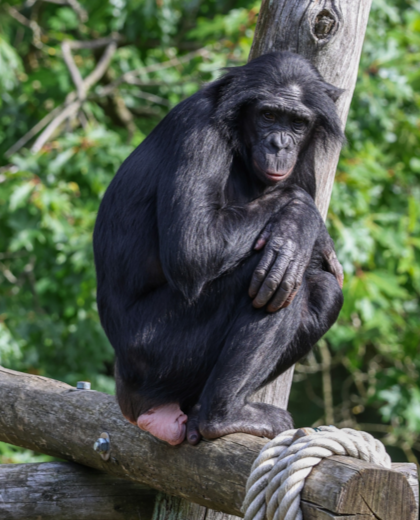
Bonobo’s staan bekend om hun opvallend actieve seksleven. Voor onze naaste verwanten is seks meer dan een manier om zich voort te planten: het vormt de basis voor hun sociale banden, helpt spanningen weg te nemen en helpt hen hun plaats te vinden in de groep. In dierentuinen moeten populaties echter zorgvuldig worden beheerd. Daarom krijgen veel vrouwelijke bonobo’s anticonceptie, zodat beter kan worden bepaald wie zich wanneer mag en kan voortplanten.
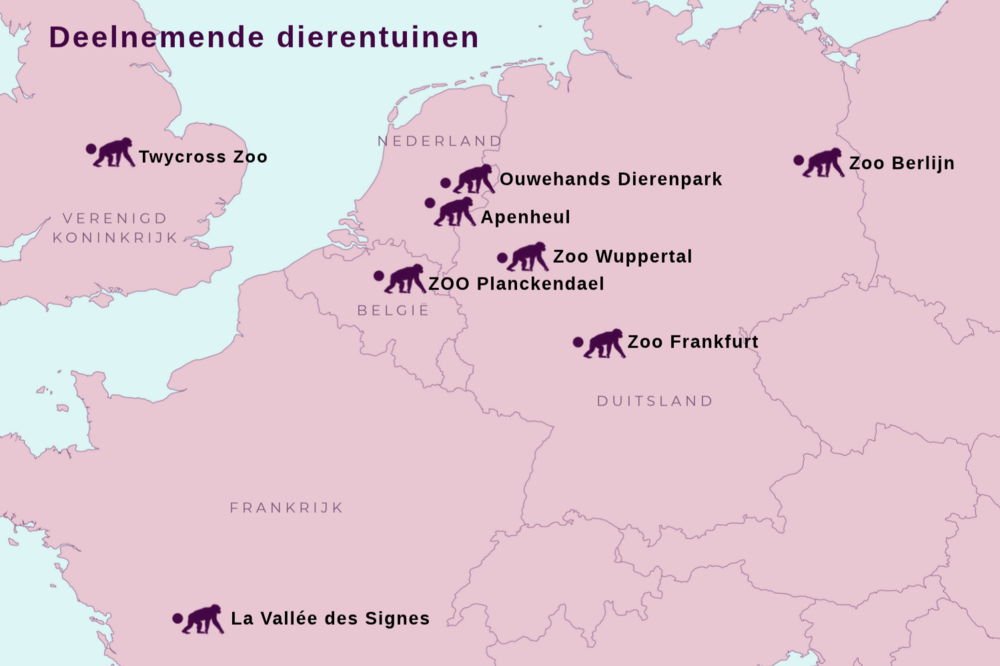
Hormonale anticonceptie voorkomt niet alleen zwangerschappen; het verandert ook de hormoonhuishouding. Kan dat beïnvloeden hoeveel zin een bonobo heeft in seks? En wat betekent dat voor een dier waarbij seks zo’n belangrijke sociale rol speelt? Mijn onderzoek bij 71 vrouwelijke bonobo’s uit acht Europese dierentuinen liet zien dat het type anticonceptie ertoe doet. Vooral de minipil, die slechts één type hormoon bevat, sprong eruit.
Dat is niet alleen interessant voor bonobo’s. Bonobo’s krijgen namelijk dezelfde soorten anticonceptiepillen als vrouwen.
Daarom kan onderzoek bij bonobo’s ons ook aan het denken zetten over de invloed van hormonen op ons eigen seksuele gedrag.
Een bijzondere rol voor seks
Seks zonder voortplanting is op zich niet uniek voor bonobo’s. Bij meer dan 1.500 diersoorten is seksueel gedrag niet rechtstreeks gericht op het krijgen van nakomelingen. Het kan bijvoorbeeld helpen om relaties te onderhouden of conflicten binnen een groep op te lossen. Toch springen bonobo’s eruit: bij weinig soorten is seks zo sterk verweven met het alledaagse sociale leven.
Vooral bij vrouwelijke bonobo’s speelt seksueel gedrag een belangrijke sociale rol. Vrouwtjes vormen sterke onderlinge banden en werken nauw samen, zelfs als ze geen familie van elkaar zijn. Dankzij die sterke sociale netwerken zijn bij de bonobo’s de vrouwtjes de baas. Seksueel gedrag helpt hen om die relaties te onderhouden. Ze staan daarbij vooral bekend om hun ‘genito-genitaal wrijven’, waarbij twee vrouwtjes hun geslachtsdelen tegen elkaar wrijven.
Juist daarom is het interessant om te kijken wat hormonale anticonceptie doet met het seksuele gedrag van deze soort. Als de anticonceptiepil hormonen beïnvloedt die betrokken zijn bij seksuele motivatie, zou de pil immers niet alleen gevolgen hebben voor de voortplanting, maar ook voor het sociale leven.
Om te onderzoeken of anticonceptie samenhangt met het seksleven van bonobo’s, volgden mijn medestudenten en ik 71 vrouwelijke bonobo’s uit acht Europese dierentuinen. Samen verzamelden we bijna 800 uur aan observaties, waarin we noteerden hoe vaak de vrouwtjes seksuele interacties hadden en met wie. Vervolgens vergeleek ik het gedrag van vrouwtjes zonder hormonale anticonceptie met dat van vrouwtjes die de minipil of een combinatiepil kregen.
De ene pil is de andere niet
Het effect op hun seksueel gedrag bleek vooral af te hangen van de soort anticonceptie. Vrouwtjes die de minipil kregen, vertoonden minder seksueel gedrag dan vrouwtjes die geen anticonceptie kregen of een combinatiepil gebruikten. Tussen die laatste twee groepen was er geen verschil te vinden.
Die twee pillen onderscheiden zich vooral door hun hormonen. De minipil bevat alleen progestageen, een kunstmatige variant van het natuurlijke hormoon progesteron. Dat hormoon speelt een belangrijke rol in de menstruatiecyclus en helpt onder andere bij de regulatie van het baarmoederslijmvlies. De combinatiepil bevat daarnaast ook een kunstmatige vorm van oestrogeen, een ander hormoon dat ook betrokken is bij de menstruatiecyclus en bijdraagt aan de rijping van eicellen. Beide hormonen vervullen nog vele andere functies in het lichaam en kunnen ook samenhangen met seksuele motivatie.
Het lijkt er dus op dat we niet kunnen spreken over één algemeen effect van hormonale anticonceptie op seksueel gedrag: de samenstelling van de pil doet ertoe.
Tijdens onze gedragsobservaties gebeurde er bovendien iets opvallends. Enkele bonobo’s wisselden van de minipil naar een combinatiepil. Daardoor kon ik dezelfde vrouwtjes voor én na die wissel vergelijken. Zo kon ik nagaan of hun gedrag mee veranderde na hun overstap, in plaats van alleen verschillende vrouwtjes met elkaar te vergelijken. En dat bleek inderdaad het geval: nadat deze vrouwtjes overschakelden naar de combinatiepil en dus ook oestrogeen naast progestageen kregen, nam hun seksuele activiteit tot wel driemaal (!) toe.
Waarom alleen de minipil samenhing met minder seksueel gedrag, kan mijn onderzoek niet met zekerheid zeggen. De resultaten suggereren wel dat de aanwezigheid en verhouding van progestagenen en oestrogenen een rol kunnen spelen. Om dit helemaal uit te klaren is er echter verder onderzoek nodig.
Toch zijn deze inzichten van groot belang voor dierentuinen. Omdat seksueel gedrag bij bonobo’s helpt om sociale relaties te onderhouden, kan anticonceptie onbedoeld invloed hebben op meer dan alleen hun voortplanting: het kan het sociale netwerk van de hele groep beïnvloeden.
En wat met de mens?
Ook bij vrouwen is de invloed van hormonale anticonceptie op seksuele motivatie allesbehalve eenvoudig. Opvallend genoeg is dit nog relatief weinig onderzocht, vooral als het aankomt op de minipil. Onderzoekers die wél al effecten van hormonale anticonceptie op seksueel gedrag bij vrouwen bestudeerden, vinden vaak tegenstrijdige resultaten. Bij sommige vrouwen die bijvoorbeeld de combinatiepil gebruikten, bleef hun seksuele zin gelijk, nam ze af of nam ze soms zelfs toe. Voorlopig is er dus geen duidelijk en eenduidig bewijs dat hormonale anticonceptie het libido verlaagt.
Dat maakt mijn onderzoek bij bonobo’s extra interessant: het type anticonceptie dat bij hen samenhing met minder seksueel gedrag, de minipil, is bij vrouwen momenteel beperkt onderzocht. Dat betekent natuurlijk niet dat de minipil automatisch hetzelfde effect zou hebben bij vrouwen als bij bonobo’s. Seksuele motivatie is complex en wordt door veel meer dan alleen hormonen bepaald, wat ook kan verklaren waarom de resultaten van studies naar de combinatiepil zo sterk variëren. Mijn resultaten tonen in ieder geval aan dat het zinvol kan zijn om verschillende hormonale samenstellingen verder afzonderlijk te bestuderen.
Uiteindelijk blijkt de pil dus veel meer dan alleen een middel om zwangerschap te voorkomen. Bij bonobo’s kan de pil zelfs raken aan iets wat centraal staat in hun sociale leven: seks. Misschien moeten we daarom wat vaker naar bonobo’s kijken. Ze kunnen ons op het spoor zetten van vragen die we ook over onszelf nog niet hebben beantwoord.
Bibliografie
Agnew, M. K., Asa, C. S., Clyde, V. L., Keller, D. L., & Meinelt, A. (2016). A survey of bonobo ( Pan paniscus ) oral contraceptive pill use in North American zoos: Oral Contraceptive Use in Bonobos. Zoo Biology, 35(5), 444-453. https://doi.org/10.1002/zoo.21310
Albert, A. Y. K., Chaban, B., Wagner, E. C., Schellenberg, J. J., Links, M. G., Van Schalkwyk, J., Reid, G., Hemmingsen, S. M., Hill, J. E., Money, D., & VOGUE Research Group. (2015). A Study of the Vaginal Microbiome in Healthy Canadian Women Utilizing cpn60-Based Molecular Profiling Reveals Distinct Gardnerella Subgroup Community State Types. PLOS ONE, 10(8), e0135620. https://doi.org/10.1371/journal.pone.0135620
Amabebe, E., & Anumba, D. O. C. (2018). Psychosocial Stress, Cortisol Levels, and Maintenance of Vaginal Health. Frontiers in Endocrinology, 9, 568. https://doi.org/10.3389/fendo.2018.00568
Bailey, N. W., & Zuk, M. (2009). Same-sex sexual behavior and evolution. Trends in Ecology & Evolution, 24(8), 439-446. https://doi.org/10.1016/j.tree.2009.03.014
Bastianelli, C., Farris, M., Bianchi, P., & Benagiano, G. (2021). The effect of different contraceptive methods on the vaginal microbiome. Expert Review of Clinical Pharmacology, 14(7), 821-836. https://doi.org/10.1080/17512433.2021.1917373
Bates, D., Maechler, M., Bolker, B., Walker, S., Jagan, M., & Ly, A. (2003). lme4: Linear Mixed-Effects Models using ‘Eigen’ and S4 (p. 2.0-1) [Dataset]. https://doi.org/10.32614/CRAN.package.lme4
Bettinger, T., Cougar, D., Lee, D. R., Lasley, B. L., & Wallis, J. (1997). Ovarian hormone concentrations and genital swelling patterns in female chimpanzees with Norplant implants. Zoo Biology, 16(3), 209-223. https://doi.org/10.1002/(SICI)1098-2361(1997)16:3%253C209::AID-ZOO2%253E3.0.CO;2-E
Boskey, E. R., Cone, R. A., Whaley, K. J., & Moench, T. R. (2001). Origins of vaginal acidity: High d/l lactate ratio is consistent with bacteria being the primary source. Human Reproduction, 16(9), 1809-1813. https://doi.org/10.1093/humrep/16.9.1809
Bradshaw, C. S., Walker, S. M., Vodstrcil, L. A., Bilardi, J. E., Law, M., Hocking, J. S., Fethers, K. A., Fehler, G., Petersen, S., Tabrizi, S. N., Chen, M. Y., Garland, S. M., & Fairley, C. K. (2014). The Influence of Behaviors and Relationships on the Vaginal Microbiota of Women and Their Female Partners: The WOW Health Study. Journal of Infectious Diseases, 209(10), 1562-1572. https://doi.org/10.1093/infdis/jit664
Bridy, P. V., Cruz, J. C., Covington, J. L., Islam, T. I., Hadley, C. E., Tran, K., Fry, R., Sheffield, B. A., Serrano, M., Buck, G. A., Zhao, J., Tossas, K. Y., Meyers, C., Morgan, I. M., James, C. D., & Jefferson, K. K. (2025). Human papillomavirus 16 mitigates Sneathia vaginalis -induced damage to cervical keratinocytes. mSphere, 10(7), e00152-25. https://doi.org/10.1128/msphere.00152-25
Brooker, J. S., Webb, C. E., Van Leeuwen, E. J. C., Kordon, S., De Waal, F. B. M., & Clay, Z. (2025). Bonobos and chimpanzees overlap in sexual behaviour patterns during social tension. Royal Society Open Science, 12(3), 242031. https://doi.org/10.1098/rsos.242031
Bryon, E., Roth, T. S., Torfs, J. R. R., Eens, M., Van Leeuwen, E. J. C., & Staes, N. (2026). Chimpanzees are not more aggressive than bonobos but target sexes differently. Science Advances, 12(11), eadz2433. https://doi.org/10.1126/sciadv.adz2433
Bullock, L. P., Bardin, C. W., & Sherman, M. R. (1978). Androgenic, Antiandrogenic, and Synandrogenic Actions of Progestins: Role of Steric and Allosteric Interactions with Androgen Receptors*. Endocrinology, 103(5), 1768-1782. https://doi.org/10.1210/endo-103-5-1768
Cadotte, M. W. (2006). METACOMMUNITY INFLUENCES ON COMMUNITY RICHNESS AT MULTIPLE SPATIAL SCALES: A MICROCOSM EXPERIMENT. Ecology, 87(4), 1008-1016. https://doi.org/10.1890/0012-9658(2006)87%255B1008:MIOCRA%255D2.0.CO;2
Call, J., Aureli, F., & De Waal, F. B. M. (2002). Postconflict third-party affiliation in stumptailed macaques. Animal Behaviour, 63(2), 209-216. https://doi.org/10.1006/anbe.2001.1908
Callahan, B. J., McMurdie, P. J., Rosen, M. J., Han, A. W., Johnson, A. J. A., & Holmes, S. P. (2016). DADA2: High-resolution sample inference from Illumina amplicon data. Nature Methods, 13(7), 581-583. https://doi.org/10.1038/nmeth.3869
Chen, X., Lu, Y., Chen, T., & Li, R. (2021). The Female Vaginal Microbiome in Health and Bacterial Vaginosis. Frontiers in Cellular and Infection Microbiology, 11, 631972. https://doi.org/10.3389/fcimb.2021.631972
Clarke, E., Bradshaw, K., Drissell, K., Kadam, P., Rutter, N., & Vaglio, S. (2022). Primate Sex and Its Role in Pleasure, Dominance and Communication. Animals, 12(23), 3301. https://doi.org/10.3390/ani12233301
Clay, Z., & De Waal, F. B. M. (2015). Sex and strife: Post-conflict sexual contacts in bonobos. Behaviour, 152(3-4), 313-334. https://doi.org/10.1163/1568539X-00003155
Clayton, J. B., Vangay, P., Huang, H., Ward, T., Hillmann, B. M., Al-Ghalith, G. A., Travis, D. A., Long, H. T., Tuan, B. V., Minh, V. V., Cabana, F., Nadler, T., Toddes, B., Murphy, T., Glander, K. E., Johnson, T. J., & Knights, D. (2016). Captivity humanizes the primate microbiome. Proceedings of the National Academy of Sciences, 113(37), 10376-10381. https://doi.org/10.1073/pnas.1521835113
Crawford, J. C., Boulet, M., & Drea, C. M. (2011). Smelling wrong: Hormonal contraception in lemurs alters critical female odour cues. Proceedings of the Royal Society B: Biological Sciences, 278(1702), 122-130. https://doi.org/10.1098/rspb.2010.1203
Debray, R., Tung, J., & Archie, E. A. (2024). Ecology and Evolution of the Social Microbiome. Annual Review of Ecology, Evolution, and Systematics, 55(1), 89-114. https://doi.org/10.1146/annurev-ecolsys-102622-030749
De Waal, F. B. M. (1990). Sociosexual Behavior Used for Tension Regulation in All Age and Sex Combinations Among Bonobos. In J. R. Feierman (Red.), Pedophilia (pp. 378-393). Springer New York. https://doi.org/10.1007/978-1-4613-9682-6_15
Diamond, L. M., & Huebner, D. M. (2012). Is Good Sex Good for You? Rethinking Sexuality and Health. Social and Personality Psychology Compass, 6(1), 54-69. https://doi.org/10.1111/j.1751-9004.2011.00408.x
Donders, G., Bellen, G., Janssens, D., Van Bulck, B., Hinoul, P., & Verguts, J. (2017). Influence of contraceptive choice on vaginal bacterial and fungal microflora. European Journal of Clinical Microbiology & Infectious Diseases, 36(1), 43-48. https://doi.org/10.1007/s10096-016-2768-8
Douglas, P. H., Hohmann, G., Murtagh, R., Thiessen-Bock, R., & Deschner, T. (2016). Mixed messages: Wild female bonobos show high variability in the timing of ovulation in relation to sexual swelling patterns. BMC Evolutionary Biology, 16(1), 140. https://doi.org/10.1186/s12862-016-0691-3
Dubé, J. P., Dawson, S. J., & Rosen, N. O. (2020). Emotion Regulation and Sexual Well-being Among Women: Current Status and Future Directions. Current Sexual Health Reports, 12(3), 143-152. https://doi.org/10.1007/s11930-020-00261-9
Enomoto, T. (1990). Social play and sexual behavior of the bonobo (Pan paniscus) with special reference to flexibility. Primates, 31(4), 469-480. https://doi.org/10.1007/BF02382531
Ferrari, S., & Cribari-Neto, F. (2004). Beta Regression for Modelling Rates and Proportions. Journal of Applied Statistics, 31(7), 799-815. https://doi.org/10.1080/0266476042000214501
Fleischman, D. (2021). Sex as Bonding Mechanisms. In T. K. Shackelford & V. A. Weekes-Shackelford (Red.), Encyclopedia of Evolutionary Psychological Science (pp. 7062-7063). Springer International Publishing. https://doi.org/10.1007/978-3-319-19650-3_1717
France, M., Alizadeh, M., Brown, S., Ma, B., & Ravel, J. (2022). Towards a deeper understanding of the vaginal microbiota. Nature Microbiology, 7(3), 367-378. https://doi.org/10.1038/s41564-022-01083-2
Freeland, W. J. (1976). Pathogens and the Evolution of Primate Sociality. Biotropica, 8(1), 12. https://doi.org/10.2307/2387816
Furuichi, T. (1989). Social interactions and the life history of femalePan paniscus in Wamba, Zaire. International Journal of Primatology, 10(3), 173-197. https://doi.org/10.1007/BF02735199
Gajer, P., Brotman, R. M., Bai, G., Sakamoto, J., Schütte, U. M. E., Zhong, X., Koenig, S. S. K., Fu, L., Ma, Z. (Sam), Zhou, X., Abdo, Z., Forney, L. J., & Ravel, J. (2012). Temporal Dynamics of the Human Vaginal Microbiota. Science Translational Medicine, 4(132). https://doi.org/10.1126/scitranslmed.3003605
Gavzy, S. J., Kensiski, A., Lee, Z. L., Mongodin, E. F., Ma, B., & Bromberg, J. S. (2023). Bifidobacterium mechanisms of immune modulation and tolerance. Gut Microbes, 15(2), 2291164. https://doi.org/10.1080/19490976.2023.2291164
Ghazi, A. R., Münch, P. C., Chen, D., Jensen, J., & Huttenhower, C. (2022). Strain Identification and Quantitative Analysis in Microbial Communities. Journal of Molecular Biology, 434(15), 167582. https://doi.org/10.1016/j.jmb.2022.167582
Goldzieher, J. W. (1994). The hypothalamo-pituitary-ovarian system. Pharmacology of the contraceptive steroids, 185-98.
Grieneisen, L., Dasari, M., Gould, T. J., Björk, J. R., Grenier, J.-C., Yotova, V., Jansen, D., Gottel, N., Gordon, J. B., Learn, N. H., Gesquiere, L. R., Wango, T. L., Mututua, R. S., Warutere, J. K., Siodi, L., Gilbert, J. A., Barreiro, L. B., Alberts, S. C., Tung, J., … Blekhman, R. (2021). Gut microbiome heritability is nearly universal but environmentally contingent. Science, 373(6551), 181-186. https://doi.org/10.1126/science.aba5483
Gruber, T., & Clay, Z. (2016). A Comparison Between Bonobos and Chimpanzees: A Review and Update. Evolutionary Anthropology: Issues, News, and Reviews, 25(5), 239-252. https://doi.org/10.1002/evan.21501
Gupta, S., & Maiden, M. C. J. (2001). Exploring the evolution of diversity in pathogen populations. Trends in Microbiology, 9(4), 181-185. https://doi.org/10.1016/S0966-842X(01)01986-2
Guy, A. J., Schuerch, F. S., Heffernan, S., Thomson, P. C., O’Brien, J. K., & McGreevy, P. D. (2008). The effect of medroxyprogesterone acetate on behavioural responses of captive female hamadryas baboons (Papio hamadryas). Animal Reproduction Science, 108(3-4), 412-424. https://doi.org/10.1016/j.anireprosci.2007.09.008
Hallmaier-Wacker, L. K., Lueert, S., Roos, C., & Knauf, S. (2019). The influence of sex on the urogenital microbiome of rhesus monkeys. Microbiology. https://doi.org/10.1101/555771
Hallmaier-Wacker, L. K., Lüert, S., Roos, C., & Knauf, S. (2019). Lactation and menstruation shift the vaginal microbiota in captive rhesus monkeys to be more similar to the male urethral microbiota. Scientific Reports, 9(1), 17399. https://doi.org/10.1038/s41598-019-53976-8
Hartig, F. (2016). DHARMa: Residual Diagnostics for Hierarchical (Multi-Level / Mixed) Regression Models (p. 0.4.7) [Dataset]. https://doi.org/10.32614/CRAN.package.DHARMa
Hashimoto, C. (1997). Context and Development of Sexual Behavior of Wild Bonobos (Pan paniscus) at Wamba, Zaire. International Journal of Primatology, 18(1), 1-21. https://doi.org/10.1023/A:1026384922066
Hashway, S. A., Bergin, I. L., Bassis, C. M., Uchihashi, M., Schmidt, K. C., Young, V. B., Aronoff, D. M., Patton, D. L., & Bell, J. D. (2014). Impact of a hormone‐releasing intrauterine system on the vaginal microbiome: A prospective baboon model. Journal of Medical Primatology, 43(2), 89-99. https://doi.org/10.1111/jmp.12090
Henry, L. P., Bruijning, M., Forsberg, S. K. G., & Ayroles, J. F. (2021). The microbiome extends host evolutionary potential. Nature Communications, 12(1), 5141. https://doi.org/10.1038/s41467-021-25315-x
Hohmann, G., & Fruth, B. (2000). Use and function of genital contacts among female bonobos. Animal Behaviour, 60(1), 107-120. https://doi.org/10.1006/anbe.2000.1451
Hohmann, Gerloff, Tautz, & Fruth. (1999). SOCIAL BONDS AND GENETIC TIES: KINSHIP, ASSOCIATION AND AFFILIATION IN A COMMUNITY OF BONOBOS (PAN PANISCUS). Behaviour, 136(9), 1219-1235. https://doi.org/10.1163/156853999501739
Hooper, L. V., Littman, D. R., & Macpherson, A. J. (2012). Interactions Between the Microbiota and the Immune System. Science, 336(6086), 1268-1273. https://doi.org/10.1126/science.1223490
Janiak, M. C., Montague, M. J., Villamil, C. I., Stock, M. K., Trujillo, A. E., DePasquale, A. N., Orkin, J. D., Bauman Surratt, S. E., Gonzalez, O., Platt, M. L., Martínez, M. I., Antón, S. C., Dominguez-Bello, M. G., Melin, A. D., & Higham, J. P. (2021a). Age and sex-associated variation in the multi-site microbiome of an entire social group of free-ranging rhesus macaques. Microbiome, 9(1), 68. https://doi.org/10.1186/s40168-021-01009-w
Kappeler, P. M., & Van Schaik, C. P. (2002). Evolution of Primate Social Systems. International Journal of Primatology, 23(4), 707-740. https://doi.org/10.1023/A:1015520830318
Karaskiewicz, C. L., Ramirez, M., & Bales, K. L. (2023). Physiological and behavioral effects of hormonal contraceptive treatment in captive, pair-bonded primates ( Plecturocebus cupreus ). Journal of the American Association for Laboratory Animal Science, 62(6), 494-501. https://doi.org/10.30802/AALAS-JAALAS-23-000017
Kondracki, S., Górski, K., Iwanina, M., Wysokińska, A., Pietruszka, A., Gączarzewicz, D., & Stasiak, K. (2025). Determinants of the Expression of Sexual Behaviour in Mammals – Review. Annals of Animal Science, 25(2), 511-527. https://doi.org/10.2478/aoas-2024-0080
Lafaut, S., Verspeek, J., Pereboom, J.J.M., 2026. Bonobo (Pan paniscus) International Studbook.
Lebeer, S., Ahannach, S., Gehrmann, T., Wittouck, S., Eilers, T., Oerlemans, E., Condori, S., Dillen, J., Spacova, I., Vander Donck, L., Masquillier, C., Allonsius, C. N., Bron, P. A., Van Beeck, W., De Backer, C., Donders, G., & Verhoeven, V. (2023). A citizen-science-enabled catalogue of the vaginal microbiome and associated factors. Nature Microbiology, 8(11), 2183-2195. https://doi.org/10.1038/s41564-023-01500-0
LeFauve, M. K., & Margulis, S. W. (2023). Chemical contraceptive impacts on cyclic progesterone and sexual behavior in zoo‐housed Western lowland gorillas. American Journal of Primatology, 85(3), e23418. https://doi.org/10.1002/ajp.23418
Lenth, R. V., & Piaskowski, J. (2017). emmeans: Estimated Marginal Means, aka Least-Squares Means (p. 2.0.2) [Dataset]. https://doi.org/10.32614/CRAN.package.emmeans
Lin, Y.-P., Chen, W.-C., Cheng, C.-M., & Shen, C.-J. (2021). Vaginal pH Value for Clinical Diagnosis and Treatment of Common Vaginitis. Diagnostics, 11(11), 1996. https://doi.org/10.3390/diagnostics11111996
Ling, Z., Kong, J., Liu, F., Zhu, H., Chen, X., Wang, Y., Li, L., Nelson, K. E., Xia, Y., & Xiang, C. (2010). Molecular analysis of the diversity of vaginal microbiota associated with bacterial vaginosis. BMC Genomics, 11(1), 488. https://doi.org/10.1186/1471-2164-11-488
Linn, G. S., & Steklis, H. D. (1990). The effects of depo-medroxyprogesterone acetate (DMPA) on copulation-related and agonistic behaviors in an island colony of stumptail macaques (Macaca arctoides). Physiology & Behavior, 47(3), 403-408. https://doi.org/10.1016/0031-9384(90)90100-I
Lobo, R. A., & Stanczyk, F. Z. (1994). New knowledge in the physiology of hormonal contraceptives. American Journal of Obstetrics and Gynecology, 170(5), 1499-1507. https://doi.org/10.1016/S0002-9378(12)91807-4
Magoutas, K., Holdcroft, A., Walls, M., Furfaro, L., Ireland, D., & Payne, M. (2025). Investigating the Link Between Intimate Health, Hygiene and Sexual Practices and the Vaginal Microbiome—The INTIMATE Study. Reproductive Medicine and Biology, 24(1), e12685. https://doi.org/10.1002/rmb2.12685
Maijer, A. M., & Semple, S. (2016). Investigating Potential Effects of the Contraceptive Implanon on the Behavior of Free-Ranging Adult Female Barbary Macaques. Journal of Applied Animal Welfare Science, 19(1), 16-23. https://doi.org/10.1080/10888705.2015.1083432
Malcolm, K. D. (2008). Wildlife Contraception: Issues, Methods, and Applications. Cheryl S. Asa and Ingrid J. Porton. The Journal of Wildlife Management, 72(4), 1056-1056. https://doi.org/10.2193/2007-568
Maneesha, S., Arman, B., Kirti, D., Preethi, B., Rinku, C., Teenus, J., Raman, K., Raja, S., Anmol, K., & Minal, B.-T. (2025). Preliminary investigation of changes in pathogen presence in the vaginal microbiome in association with age. Iranian Journal of Microbiology. 17(6), 901-911. https://doi.org/10.18502/ijm.v17i6.20357
Marrazzo, J. M., Antonio, M., Agnew, K., & Hillier, S. L. (2009). Distribution of Genital Lactobacillus Strains Shared by Female Sex Partners. Journal of Infectious Diseases, 199(5), 680-683. https://doi.org/10.1086/596632
Marrazzo, J. M., Thomas, K. K., Fiedler, T. L., Ringwood, K., & Fredricks, D. N. (2010). Risks for Acquisition of Bacterial Vaginosis Among Women Who Report Sex with Women: A Cohort Study. PLoS ONE, 5(6), e11139. https://doi.org/10.1371/journal.pone.0011139
Martin PR, Bateson PPG. Measuring Behaviour: An Introductory Guide. Cambridge: Cambridge University Press; 2007.
McMurdie, P. J., & Holmes, S. (2013). phyloseq: An R Package for Reproducible Interactive Analysis and Graphics of Microbiome Census Data. PLoS ONE, 8(4), e61217. https://doi.org/10.1371/journal.pone.0061217
Miller, E. A., Beasley, D. E., Dunn, R. R., & Archie, E. A. (2016). Lactobacilli Dominance and Vaginal pH: Why Is the Human Vaginal Microbiome Unique? Frontiers in Microbiology, 7. https://doi.org/10.3389/fmicb.2016.01936
Miller, E. A., Livermore, J. A., Alberts, S. C., Tung, J., & Archie, E. A. (2017). Ovarian cycling and reproductive state shape the vaginal microbiota in wild baboons. Microbiome, 5(1), 8. https://doi.org/10.1186/s40168-017-0228-z
Mirmonsef, P., Gilbert, D., Veazey, R. S., Wang, J., Kendrick, S. R., & Spear, G. T. (2012). A Comparison of Lower Genital Tract Glycogen and Lactic Acid Levels in Women and Macaques: Implications for HIV and SIV Susceptibility. AIDS Research and Human Retroviruses, 28(1), 76-81. https://doi.org/10.1089/aid.2011.0071
Mirmonsef, P., Hotton, A. L., Gilbert, D., Burgad, D., Landay, A., Weber, K. M., Cohen, M., Ravel, J., & Spear, G. T. (2014). Free Glycogen in Vaginal Fluids Is Associated with Lactobacillus Colonization and Low Vaginal pH. PLoS ONE, 9(7), e102467. https://doi.org/10.1371/journal.pone.0102467
Mirmonsef, P., Hotton, A. L., Gilbert, D., Gioia, C. J., Maric, D., Hope, T. J., Landay, A. L., & Spear, G. T. (2016). Glycogen Levels in Undiluted Genital Fluid and Their Relationship to Vaginal pH, Estrogen, and Progesterone. PLOS ONE, 11(4), e0153553. https://doi.org/10.1371/journal.pone.0153553
Mitreva M. (2012). Structure, function and diversity of the healthy human microbiome. Nature, 486(7402), 207-214. https://doi.org/10.1038/nature11234
Moeller, A. H., Sanders, J. G., Sprockett, D. D., & Landers, A. (2023). Assessing co-diversification in host-associated microbiomes. Journal of Evolutionary Biology, 36(12), 1659-1668. https://doi.org/10.1111/jeb.14221
Monk, J. D., Giglio, E., Kamath, A., Lambert, M. R., & McDonough, C. E. (2019). An alternative hypothesis for the evolution of same-sex sexual behaviour in animals. Nature Ecology & Evolution, 3(12), 1622-1631. https://doi.org/10.1038/s41559-019-1019-7
Mouquet, N., & Loreau, M. (2002). Coexistence in Metacommunities: The Regional Similarity Hypothesis. The American Naturalist, 159(4), 420-426. https://doi.org/10.1086/338996
Nadler, R. D., Dahl, J. F., Gould, K. G., & Collins, D. C. (1993). Effects of an oral contraceptive on sexual behavior of chimpanzees (Pan troglodytes). Archives of Sexual Behavior, 22(5), 477-500. https://doi.org/10.1007/BF01542561
Nederlof, R. A., Bruins-van Sonsbeek, L. G. R., Stumpel, J. B. G., & Bakker, J. (2024). Update on Current Hormonal and Non-Hormonal Contraceptive Options in Non-Human Primates. Journal of Zoological and Botanical Gardens, 5(4), 606-629. https://doi.org/10.3390/jzbg5040041
Neumann, C., Assahad, G., Hammerschmidt, K., Perwitasari-Farajallah, D., & Engelhardt, A. (2010). Loud calls in male crested macaques, Macaca nigra: A signal of dominance in a tolerant species. Animal Behaviour, 79(1), 187-193. https://doi.org/10.1016/j.anbehav.2009.10.026
Noël-Romas, L., Perner, M., Molatlhegi, R., Farr Zuend, C., Mabhula, A., Hoger, S., Lamont, A., Birse, K., Berard, A., McCorrister, S., Westmacott, G., Leslie, A., Poliquin, V., Heffron, R., McKinnon, L. R., & Burgener, A. D. (2020). Vaginal microbiome-hormonal contraceptive interactions associate with the mucosal proteome and HIV acquisition. PLOS Pathogens, 16(12), e1009097. https://doi.org/10.1371/journal.ppat.1009097
Oksanen, J., Simpson, G. L., Blanchet, F. G., Kindt, R., Legendre, P., Minchin, P. R., O’Hara, R. B., Solymos, P., Stevens, M. H. H., Szoecs, E., Wagner, H., Barbour, M., Bedward, M., Bolker, B., Borcard, D., Borman, T., Carvalho, G., Chirico, M., De Caceres, M., … Weedon, J. (2001). vegan: Community Ecology Package (p. 2.7-3) [Dataset]. https://doi.org/10.32614/CRAN.package.vegan
Olm, M. R., Crits-Christoph, A., Bouma-Gregson, K., Firek, B. A., Morowitz, M. J., & Banfield, J. F. (2021). inStrain profiles population microdiversity from metagenomic data and sensitively detects shared microbial strains. Nature Biotechnology, 39(6), 727-736. https://doi.org/10.1038/s41587-020-00797-0
Orille, A. C. (2020). Sociosexual Behavior. In J. Vonk & T. Shackelford (Red.), Encyclopedia of Animal Cognition and Behavior (pp. 1-3). Springer International Publishing. https://doi.org/10.1007/978-3-319-47829-6_474-1
Paoli, T., Palagi, E., Tacconi, G., & Tarli, S. B. (2006). Perineal swelling, intermenstrual cycle, and female sexual behavior in bonobos ( Pan paniscus ). American Journal of Primatology, 68(4), 333-347. https://doi.org/10.1002/ajp.20228
Plowman, A. B., Jordan, N. R., Anderson, N., Condon, E., & Fraser, O. (2005). Welfare implications of captive primate population management: Behavioural and psycho-social effects of female-based contraception, oestrus and male removal in hamadryas baboons (Papio hamadryas). Applied Animal Behaviour Science, 90(2), 155-165. https://doi.org/10.1016/j.applanim.2004.08.014
Plummer, E. L., Vodstrcil, L. A., Fairley, C. K., Tabrizi, S. N., Garland, S. M., Law, M. G., Hocking, J. S., Fethers, K. A., Bulach, D. M., Murray, G. L., & Bradshaw, C. S. (2019). Sexual practices have a significant impact on the vaginal microbiota of women who have sex with women. Scientific Reports, 9(1), 19749. https://doi.org/10.1038/s41598-019-55929-7
R Core Team, 2025. R: A language and environment for statistical computing.
Rivera, R., Yacobson, I., & Grimes, D. (1999). The mechanism of action of hormonal contraceptives and intrauterine contraceptive devices. American Journal of Obstetrics and Gynecology, 181(5), 1263-1269. https://doi.org/10.1016/S0002-9378(99)70120-1
Roney, J. R., & Simmons, Z. L. (2013). Hormonal predictors of sexual motivation in natural menstrual cycles. Hormones and Behavior, 63(4), 636-645. https://doi.org/10.1016/j.yhbeh.2013.02.013
Saha, P., Weigle, I. Q., Slimmon, N., Poli, P. B., Patel, P., Zhang, X., Cao, Y., Michalkiewicz, J., Gomm, A., Zhang, C., Tanzi, R. E., Dylla, N., Al-Hendy, A., & Sisodia, S. S. (2024). Early modulation of the gut microbiome by female sex hormones alters amyloid pathology and microglial function. Scientific Reports, 14(1), 1827. https://doi.org/10.1038/s41598-024-52246-6
Santoro, A., Zhao, J., Wu, L., Carru, C., Biagi, E., & Franceschi, C. (2020). Microbiomes other than the gut: Inflammaging and age-related diseases. Seminars in Immunopathology, 42(5), 589-605. https://doi.org/10.1007/s00281-020-00814-z
Samartino, S. D., Bartlett, T. Q., & Wikberg, E. C. (2024). Characterizing the vaginal microbiome in a sexually fluid primate (Pan paniscus). Folia Primatologica, 95(3), 211-222. https://doi.org/10.1163/14219980-bja10019
Sannen, A., Van Elsacker, L., Heistermann, M., & Eens, M. (2005). Certain Aspects of Bonobo Female Sexual Repertoire Are Related to Urinary Testosterone Metabolite Levels. Folia Primatologica, 76(1), 21-32. https://doi.org/10.1159/000082452
Schell, M. A., Karmirantzou, M., Snel, B., Vilanova, D., Berger, B., Pessi, G., Zwahlen, M.-C., Desiere, F., Bork, P., Delley, M., Pridmore, R. D., & Arigoni, F. (2002). The genome sequence of Bifidobacterium longum reflects its adaptation to the human gastrointestinal tract. Proceedings of the National Academy of Sciences, 99(22), 14422-14427. https://doi.org/10.1073/pnas.212527599
Schwebke, J. R., Richey, C. M., & Weiss, H. L. (1999). Correlation of Behaviors with Microbiological Changes in Vaginal Flora. The Journal of Infectious Diseases, 180(5), 1632-1636. https://doi.org/10.1086/315065
Shively, C. A., Manuck, S. B., Kaplan, J. R., & Koritnik, D. R. (1990). Oral contraceptive administration, interfemale relationships, and sexual behavior inMacaca fascicularis. Archives of Sexual Behavior, 19(2), 101-117. https://doi.org/10.1007/BF01542226
Simpson, G. L. (2024). gratia: An R package for exploring generalized additive models. Journal of Open Source Software, 9(104), 6962. https://doi.org/10.21105/joss.06962
Sitruk-Ware, R. (2006). New progestagens for contraceptive use. Human Reproduction Update, 12(2), 169-178. https://doi.org/10.1093/humupd/dmi046
Snowdon, C. T., Ziegler, T. E., Schultz-Darken, N. J., & Ferris, C. F. (2006). Social odours, sexual arousal and pairbonding in primates. Philosophical Transactions of the Royal Society B: Biological Sciences, 361(1476), 2079-2089. https://doi.org/10.1098/rstb.2006.1932
Sommer, V., Bauer, J., Fowler, A., & Ortmann, S. (2011). Patriarchal Chimpanzees, Matriarchal Bonobos: Potential Ecological Causes of a Pan Dichotomy. In V. Sommer & C. Ross (Red.), Primates of Gashaka (pp. 469-501). Springer New York. https://doi.org/10.1007/978-1-4419-7403-7_12
Song, S. D., Acharya, K. D., Zhu, J. E., Deveney, C. M., Walther-Antonio, M. R. S., Tetel, M. J., & Chia, N. (2020). Daily Vaginal Microbiota Fluctuations Associated with Natural Hormonal Cycle, Contraceptives, Diet, and Exercise. mSphere, 5(4), 10.1128/msphere.00593-20. https://doi.org/10.1128/msphere.00593-20
Sosa, S., Puga-Gonzalez, I., Hu, F., Pansanel, J., Xie, X., & Sueur, C. (2020). A multilevel statistical toolkit to study animal social networks: The Animal Network Toolkit Software (ANTs) R package. Scientific Reports, 10(1), 12507. https://doi.org/10.1038/s41598-020-69265-8
Staes, N., Eens, M., Weiss, A., & Stevens, J. M. G. (2017). Bonobo personality: Age and sex effects and links with behavior and dominance. In B. Hare & S. Yamamoto (Red.), Bonobos (1ste dr., pp. 183-198). Oxford University PressOxford. https://doi.org/10.1093/oso/9780198728511.003.0013
Stumpf, R. M., Wilson, B. A., Rivera, A., Yildirim, S., Yeoman, C. J., Polk, J. D., White, B. A., & Leigh, S. R. (2013). The primate vaginal microbiome: Comparative context and implications for human health and disease. American Journal of Physical Anthropology, 152(S57), 119-134. https://doi.org/10.1002/ajpa.22395
Thoma, M. E., Gray, R. H., Kiwanuka, N., Aluma, S., Wang, M.-C., Sewankambo, N., & Wawer, M. J. (2011). Longitudinal Changes in Vaginal Microbiota Composition Assessed by Gram Stain Among Never Sexually Active Pre- and Postmenarcheal Adolescents in Rakai, Uganda. Journal of Pediatric and Adolescent Gynecology, 24(1), 42-47. https://doi.org/10.1016/j.jpag.2010.07.002
Toh, E., Xing, Y., Gao, X., Jordan, S. J., Batteiger, T. A., Batteiger, B. E., Van Der Pol, B., Muzny, C. A., Gebregziabher, N., Williams, J. A., Fortenberry, L. J., Fortenberry, J. D., Dong, Q., & Nelson, D. E. (2023). Sexual behavior shapes male genitourinary microbiome composition. Cell Reports Medicine, 4(3), 100981. https://doi.org/10.1016/j.xcrm.2023.100981
Torfs, J. R. R., Stevens, J. M. G., Verspeek, J., Laméris, D. W., Guéry, J.-P., Eens, M., & Staes, N. (2023). Multi-group analysis of grooming network position in a highly social primate. PLOS ONE, 18(4), e0284361. https://doi.org/10.1371/journal.pone.0284361
Tuddenham, S., Gajer, P., Burke, A. E., Murphy, C., Klein, S. L., Stennett, C. A., Wilgus, B., Ravel, J., Ghanem, K. G., & Brotman, R. M. (2023). Lactobacillus-dominance and rapid stabilization of vaginal microbiota in combined oral contraceptive pill users examined through a longitudinal cohort study with frequent vaginal sampling over two years. eBioMedicine, 87, 104407. https://doi.org/10.1016/j.ebiom.2022.104407
Uchihashi, M., Bergin, I. L., Bassis, C. M., Hashway, S. A., Chai, D., & Bell, J. D. (2015). Influence of age, reproductive cycling status, and menstruation on the vaginal microbiome in baboons ( Papio anubis ). American Journal of Primatology, 77(5), 563-578. https://doi.org/10.1002/ajp.22378
Vaglio, S., Minicozzi, P., Kessler, S. E., Walker, D., & Setchell, J. M. (2021). Olfactory signals and fertility in olive baboons. Scientific Reports, 11(1), 8506. https://doi.org/10.1038/s41598-021-87893-6
Valles-Colomer, M., Blanco-Míguez, A., Manghi, P., Asnicar, F., Dubois, L., Golzato, D., Armanini, F., Cumbo, F., Huang, K. D., Manara, S., Masetti, G., Pinto, F., Piperni, E., Punčochář, M., Ricci, L., Zolfo, M., Farrant, O., Goncalves, A., Selma-Royo, M., … Segata, N. (2023). The person-to-person transmission landscape of the gut and oral microbiomes. Nature, 614(7946), 125-135. https://doi.org/10.1038/s41586-022-05620-1
Veerus, L., Subrahmanian, A., & Blaser, M. J. (2026). The testobolome in microbial testosterone metabolism and human health. Npj Biofilms and Microbiomes, 12(1), 9. https://doi.org/10.1038/s41522-025-00861-0
Venail, P. A., MacLean, R. C., Bouvier, T., Brockhurst, M. A., Hochberg, M. E., & Mouquet, N. (2008). Diversity and productivity peak at intermediate dispersal rate in evolving metacommunities. Nature, 452(7184), 210-214. https://doi.org/10.1038/nature06554
Vervaecke, H., De Vries, H., & Van Elsacker, L. (2000). Dominance and its Behavioral Measures in a Captive Group of Bonobos (Pan paniscus). International Journal of Primatology, 21(1), 47-68. https://doi.org/10.1023/A:1005471512788
Wessels, J. M., Felker, A. M., Dupont, H. A., & Kaushic, C. (2018). The relationship between sex hormones, the vaginal microbiome and immunity in HIV-1 susceptibility in women. Disease Models & Mechanisms, 11(9), dmm035147. https://doi.org/10.1242/dmm.035147
Wittouck, S., Rillaer, T. V., Smets, W., & Lebeer, S. (2025). Tidytacos: An R package for analyses on taxonomic composition of microbial communities. Journal of Open Source Software, 10(105), 6313. https://doi.org/10.21105/joss.06313
Wood, S. (2000). mgcv: Mixed GAM Computation Vehicle with Automatic Smoothness Estimation (p. 1.9-4) [Dataset]. https://doi.org/10.32614/CRAN.package.mgcv
Woods, V., & Hare, B. (2011). Bonobo but not chimpanzee infants use socio-sexual contact with peers. Primates, 52(2), 111-116. https://doi.org/10.1007/s10329-010-0229-z
Wrangham, R. W. (1993). The evolution of sexuality in chimpanzees and bonobos. Human Nature, 4(1), 47-79. https://doi.org/10.1007/BF02734089
Wren, B. W. (2000). Microbial genome analysis: Insights into virulence, host adaptation and evolution. Nature Reviews Genetics, 1(1), 30-39. https://doi.org/10.1038/35049551
Yildirim, S., Yeoman, C. J., Janga, S. C., Thomas, S. M., Ho, M., Leigh, S. R., Primate Microbiome, White, B. A., Wilson, B. A., & Stumpf, R. M. (2014). Primate vaginal microbiomes exhibit species specificity without universal Lactobacillus dominance. The ISME Journal, 8(12), 2431-2444. https://doi.org/10.1038/ismej.2014.90
Qin, L., Sun, T., Li, X., Zhao, S., Liu, Z., Zhang, C., Jin, C., Xu, Y., Gao, X., Cao, Y., Wang, J., Han, T., Yan, L., Song, J., Zhang, F., Liu, F., Zhang, Y., Huang, Y., Song, Y., … Chen, Z.-J. (2025). Population-level analyses identify host and environmental variables influencing the vaginal microbiome. Signal Transduction and Targeted Therapy, 10(1), 64. https://doi.org/10.1038/s41392-025-02152-8