Het milieu is beschermd in oorlog. Op papier dan toch.

Zet de champagne koud, want in 2027 verbiedt het internationaal recht al 50 jaar zware milieuschade tijdens gewapende conflicten. Op papier dan toch. In al die jaren stelde geen enkele rechtbank of onderzoekscommissie vast dat het verbod werd overtreden, ondanks de vele gekende milieurampen tijdens oorlogen.
Mijn onderzoek suggereert dat deze niet-toepassing samenhangt met de manier waarop de regel werd vormgegeven in 1977, als een symbolisch compromis dat milieubescherming erkent zonder militaire acties echt te beperken. Wie de regel wil hervormen, moet dus verder kijken dan de tekst alleen.
Maanden rook
Oorlogen vernietigen meer dan steden en mensenleven. Ze verwoesten vaak ook hele ecosystemen, met gevolgen die blijven aanslepen tot lang nadat de wapens zwijgen. In 1991 staken terugtrekkende Iraakse troepen meer dan 600 oliebronnen in Koeweit in brand. Maandenlang hing er een zwarte rookwolk boven het land, en raakten lucht, bodem en grondwater sterk vervuild. Dat lijkt het schoolvoorbeeld van milieuschade die het internationaal recht zou willen voorkomen. Toch is de gangbare opvatting dat zelfs deze ramp niet onder het verbod van het Eerste Aanvullend Protocol bij de Verdragen van Genève zou vallen.
Koeweit is niet de enige plaats waar geen schending werd vastgesteld.
Dat verbod staat in artikels 35 en 55 van dat protocol en verbiedt oorlogvoering waarvan verwacht kan worden dat zij “wijdverspreide, langdurige en ernstige” milieuschade veroorzaakt. Die drie voorwaarden moeten tegelijk vervuld zijn. Vooral de term “langdurig” legt de lat bijzonder hoog, want meestal wordt gedacht aan effecten die meerdere decennia aanhouden, niet aan maanden of jaren.
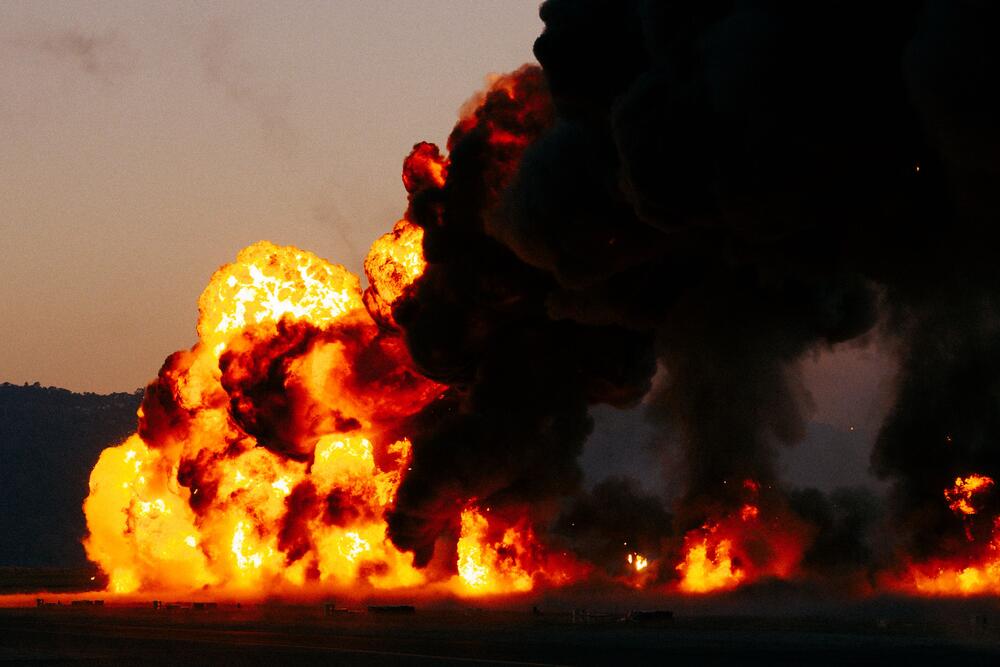
Koeweit is niet de enige plaats waar geen schending werd vastgesteld. Ook na het NAVO-bombardement op voormalig Joegoslavië concludeerde een onderzoekscommissie dat de vastgestelde milieuschade de vereiste drempel niet bereikte. Meer recent hebben de vernietiging van de Kakhovka-dam in Oekraïne en de schade aan water- en afvalinfrastructuur in Gaza opnieuw aandacht gevestigd op oorlogsschade aan het milieu. Toch werd ook daar niet vastgesteld dat de drempel werd overschreden.
Wat voor regel is dit eigenlijk?
Juristen noemen de niet-toepassing van deze regel al decennia een mislukking en stellen steeds meteen hervormingen voor: de lat moet lager en de woorden duidelijker. Mijn onderzoek vertrekt echter van een andere vraag: wat voor soort regel is dit eigenlijk?
De regel is juridisch sterk bindend, maar weinig precies en moeilijk af te dwingen.
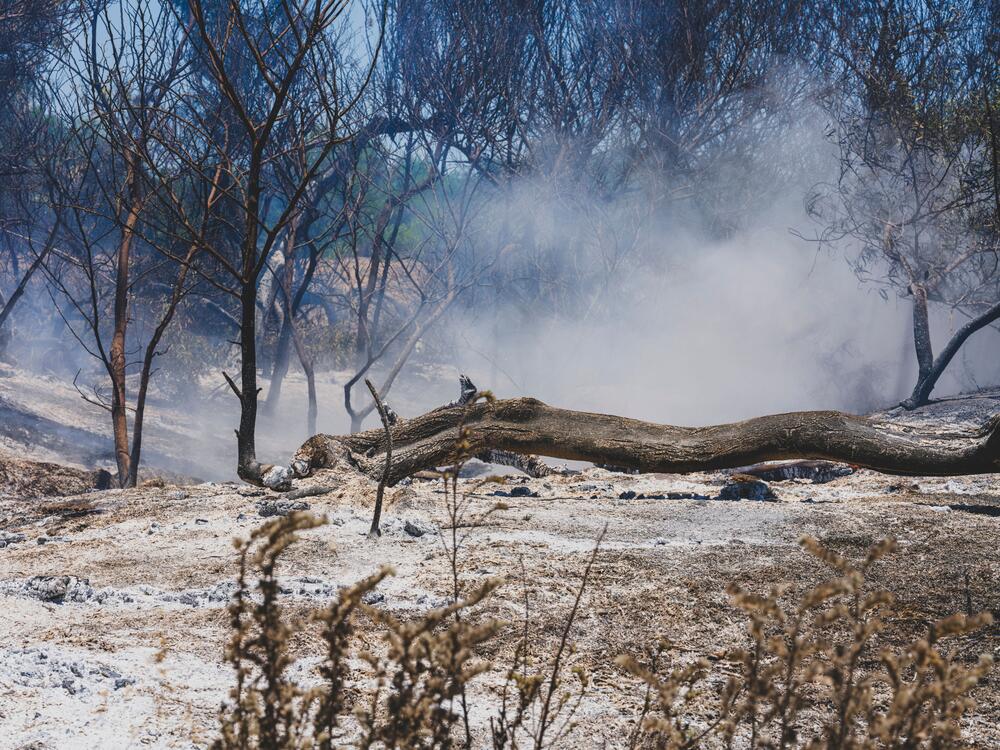
Daarvoor keek ik naar drie eigenschappen: hoe bindend is de regel, hoe duidelijk is ze geformuleerd en wie mag haar afdwingen? Met het werk van rechtswetenschapper Kenneth Abbott en collega’s kon ik de vorm van de milieuregel voor het eerst op deze manier in kaart brengen. De regel is juridisch sterk bindend, maar weinig precies en moeilijk af te dwingen. Dat helpt verklaren waarom ze vooral op papier bescherming biedt.
Vervolgens legde ik de regel naast de zes kenmerken van wat rechtssocioloog Bart van Klink “symbolische wetgeving” noemt. Dit zijn regels die een probleem lijken aan te pakken, maar in de praktijk weinig veranderen. Na de criteria te overlopen bleek de milieuregel zo’n symbolische functie te hebben.
Compromis à la Belge in Genève
Om te begrijpen waarom de regel deze vorm en functie kreeg, helpt het om in de archieven van de diplomatieke conferentie te duiken die tussen 1974 en 1977 in Genève over het protocol plaatsvond. Na de milieuschade van de herbicidencampagne met Agent Orange in de Vietnamoorlog groeide de maatschappelijke druk om het milieu tijdens oorlogen te beschermen. Dit leidde tot ambitieuze voorstellen tijdens de onderhandelingen. Tien landen, voornamelijk uit Europa, wilden bijvoorbeeld elke oorlogsmethode verbieden die het ecologisch evenwicht verstoort, en een onofficiële werkgroep stelde een verbod voor bij verstoring van de stabiliteit van een ecosysteem.
“We begrijpen gewoon niet wat hun punt is.”
– Amerikaanse ambtenaren over de Sovjets, Witte Huis, augustus 1974
Die voorstellen haalden het niet. Landen zoals het Verenigd Koninkrijk verdedigden een hoge drempel met het argument dat je geen tankcommandant wil vervolgen die een bosje platrijdt. Michael Bothe, die zelf aan de onderhandelingen deelnam, schreef later: “Het leger was verbijsterd bij de gedachte dat militaire activiteiten aan milieuoverwegingen onderworpen zouden worden, en het verzette zich.”
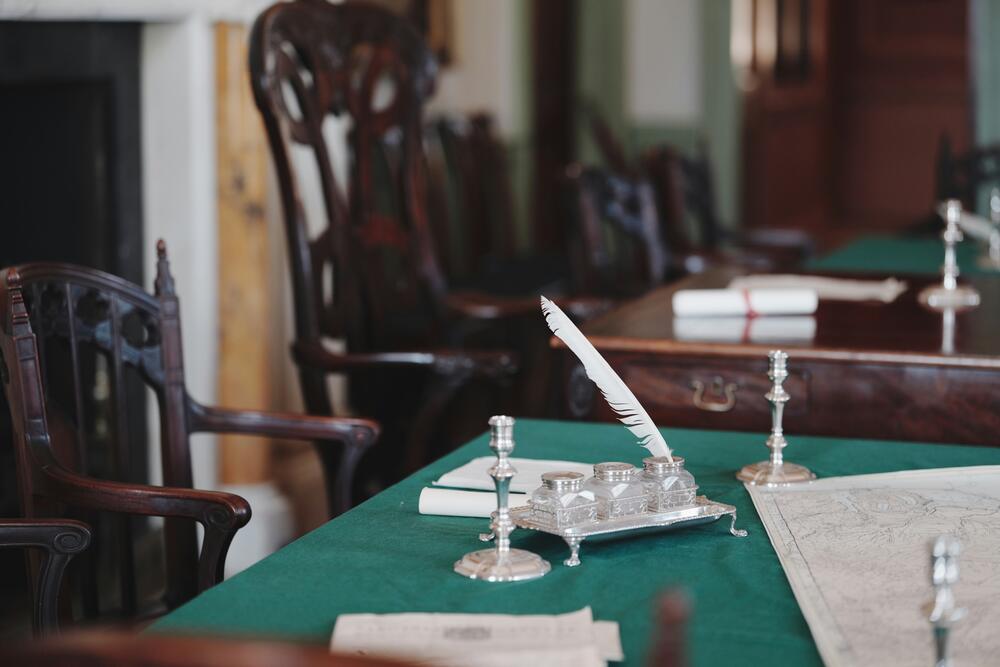
In een gedeclassificeerd Amerikaans verslag uit augustus 1974 over parallelle onderhandelingen rond milieuoorlogvoering geven ambtenaren in de Situation Room van het Witte Huis toe niet te begrijpen waarom de Sovjets beperkingen aan militaire acties wilden: “We begrijpen gewoon niet wat hun punt is.” De spanningen van de Koude Oorlog stonden dus ook niet los van het uiteindelijke compromis.
Draaien aan knoppen
De huidige hervormingsdiscussie draait vooral om de vraag of de drempel voor milieuschade te hoog ligt. Mijn onderzoek suggereert dat het probleem dieper zit. De symbolische functie wordt in stand gehouden door de vorm van de regel, en die bestaat uit drie knoppen: hoe bindend ze is, hoe precies ze geformuleerd is en wie ze kan afdwingen. Door de huidige combinatie biedt de regel voorlopig vooral op papier bescherming.
Wie maar aan één knop draait, laat de andere twee ongemoeid.
Dat betekent ook dat hervormingsvoorstellen niet alleen moeten worden beoordeeld op de vraag of ze de drempel verlagen, maar ook op aan welke knop ze draaien. Wie de woorden preciezer definieert, maakt de regel wel scherper, maar creëert daarmee nog geen instantie die een schending kan vaststellen. Wie de milieuregels als zware inbreuken aanmerkt, waarvoor staten daders moeten vervolgen, maakt handhaving makkelijker, maar verduidelijkt de verwoording niet. Elk voorstel raakt zo maar een deel van het probleem, en wie maar aan één knop draait, laat de andere twee ongemoeid.

Dat biedt een ander vertrekpunt voor de hervormingsdiscussie. Voor ngo’s, internationale organisaties en beleidsmakers is dit een manier om hervormingsvoorstellen systematisch naast elkaar te leggen. Zo kunnen ze zien welke combinatie van veranderingen nodig is om de regel uit haar symbolische functie te halen. Wie wil dat toekomstige generaties meer erven dan een bescherming op papier, weet nu aan welke knoppen er gedraaid kan worden. Daar klinken we op.
Bibliografie
LEGISLATION INTERNATIONAL NORMS Hague Convention (IV) of 18 October 1907 respecting the Laws and Customs of War on Land and its annex, ICRC database, https://ihl-databases.icrc.org/en/ihl-treaties/hague-conv-iv-1907 (accessed on 7 June 2026) Vienna Convention of 23 May 1969 on the Law of Treaties, UNTS vol. 1155, 331. Convention of 10 December 1976 on the Prohibition of Military or Any Other Hostile Use of Environmental Modification Techniques, UNTS vol. 1108, 151. Protocol additional to the Geneva Conventions of 12 August 1949, and relating to the protection of victims of international armed conflicts (Protocol I), UNTS vol. 1125, 3. Protocol additional to the Geneva Conventions of 12 August 1949, and relating to the protection of victims of international armed conflicts (Protocol II), UNTS vol. 1125, 609. Vienna Convention of 22 March 1985 for the Protection of the Ozone Layer, UNTS vol. 1513, 293. Montreal Protocol of 16 September 1987 on Substances that Deplete the Ozone Layer, UNTS vol. 1522, 3. Framework Convention of 1 February 1995 for the Protection of National Minorities, ETS No. 157. Rome Statute of 17 July 1998 of the International Criminal Court, UNTS vol. 2187, 3. NATIONAL NORMS (alphabetical by country) ICC (Consequential Amendments) Act (Australia), 2002, ICRC Customary IHL Database, https://ihl-databases.icrc.org/en/customary-ihl/v2/rule45 (accessed on 7 June 2026). Criminal Code (Azerbaijan), 1999, ICRC Customary IHL Database, https://ihl-databases.icrc.org/en/customary-ihl/v2/rule45 (accessed on 7 June 2026). Criminal Code (Belarus), 1999, ICRC Customary IHL Database, https://ihl-databases.icrc.org/en/customary-ihl/v2/rule45 (accessed on 7 June 2026). Penal Code (Belgium), 1867 (as amended on 5 August 2003), ICRC Customary IHL Database, https://ihl-databases.icrc.org/en/customary-ihl/v2/rule45 (accessed on 7 June 2026); Art. 1 ter, § 1(12), Law relating to the Repression of Grave Breaches of International Humanitarian Law Law on Genocide, Crimes against Humanity and War (Burundi), 2003, ICRC Customary IHL Database, https://ihl-databases.icrc.org/en/customary-ihl/v2/rule45 (accessed on 7 June 2026). Criminal Code (Cambodia), 2009, ICRC Customary IHL Database, https://ihl-databases.icrc.org/en/customary-ihl/v2/rule45 (accessed on 7 June 2026). Penal Code (Colombia), 2000, ICRC Customary IHL Database, https://ihl-databases.icrc.org/en/customary-ihl/v2/rule45 (accessed on 7 June 2026). Penal Code (Côte d’Ivoire), 1981 as amended in 2015), ICRC Customary IHL Database, https://ihl-databases.icrc.org/en/customary-ihl/v2/rule45 (accessed on 7 June 2026). Criminal Code (Ethiopia), 2004, ICRC Customary IHL Database, https://ihl-databases.icrc.org/en/customary-ihl/v2/rule45 (accessed on 7 June 2026). Criminal Code (Georgia), 1999, ICRC Customary IHL Database, https://ihl-databases.icrc.org/en/customary-ihl/v2/rule45 (accessed on 7 June 2026). Law Introducing the International Crimes Code, 2002, ICRC Customary IHL Database, https://ihl-databases.icrc.org/en/customary-ihl/v2/rule45 (accessed on 7 June 2026). Geneva Conventions Act (Ireland), 1962, ICRC Customary IHL Database, https://ihl-databases.icrc.org/en/customary-ihl/v2/rule45 (accessed on 7 June 2026). Penal Code (Mali), ICRC Customary IHL Database, https://ihl-databases.icrc.org/en/customary-ihl/v2/rule45 (accessed on 7 June 2026). International Crimes Act (Netherlands), 2003, ICRC Customary IHL Database, https://ihl-databases.icrc.org/en/customary-ihl/v2/rule45 (accessed on 7 June 2026). Code of Military and Policy Justice (Peru), 2010, ICRC Customary IHL Database, https://ihl-databases.icrc.org/en/customary-ihl/v2/rule45 (accessed on 7 June 2026). Act on Crimes Against International Humanitarian Law, Genocide, and Other Crimes Against Humanity (Philippines), 2009, ICRC Customary IHL Database, https://ihl-databases.icrc.org/en/customary-ihl/v2/rule45 (accessed on 7 June 2026). ICC Act (Republic of Korea), 2007, ICRC Customary IHL Database, https://ihl-databases.icrc.org/en/customary-ihl/v2/rule45 (accessed on 7 June 2026). ICC Act (South Africa), 2002, ICRC Customary IHL Database, https://ihl-databases.icrc.org/en/customary-ihl/v2/rule45 (accessed on 7 June 2026). Penal Code (Spain), 1995 (as amended on 25 November 2003), ICRC Customary IHL Database, https://ihl-databases.icrc.org/en/customary-ihl/v2/rule45 (accessed on 7 June 2026). PREPARATORY WORKS Summary record op the eleventh plenary meeting, DIPLOMATIC CONFERENCE ON THE REAFFIRMATION AND DEVELOPMENT OF INTERNATIONAL HUMANITARIAN LAW APPLICABLE IN ARMED CONFLICTS, 5 March 1974, CDDH/SR.11, https://library.icrc.org/library/docs/CD/CD_1977_ACTES_ENG_05.pdf (accessed on 7 June 2026). Summary record of the twelfth plenary meeting, DIPLOMATIC CONFERENCE ON THE REAFFIRMATION AND DEVELOPMENT OF INTERNATIONAL HUMANITARIAN LAW APPLICABLE IN ARMED CONFLICTS, 6 March 1974, CDDH/SR.12, https://library.icrc.org/library/docs/CD/CD_1977_ACTES_ENG_05.pdf (accessed on 7 June 2026). Summary record of the thirteenth plenary meeting, DIPLOMATIC CONFERENCE ON THE REAFFIRMATION AND DEVELOPMENT OF INTERNATIONAL HUMANITARIAN LAW APPLICABLE IN ARMED CONFLICTS, 6 March 1974, CDDH/SR.13, https://library.icrc.org/library/docs/CD/CD_1977_ACTES_ENG_05.pdf (accessed on 7 June 2026). Summary record of the fourteenth plenary meeting, DIPLOMATIC CONFERENCE ON THE REAFFIRMATION AND DEVELOPMENT OF INTERNATIONAL HUMANITARIAN LAW APPLICABLE IN ARMED CONFLICTS, 7 March 1974, CDDH/SR.14, https://library.icrc.org/library/docs/CD/CD_1977_ACTES_ENG_05.pdf (accessed on 7 June 2026). Amendment of Czechoslovakia, German Democratic Republic, Hungary to Draft Protocol I, Article 48 bis (concluded), DIPLOMATIC CONFERENCE ON THE REAFFIRMATION AND DEVELOPMENT OF INTERNATIONAL HUMANITARIAN LAW APPLICABLE IN ARMED CONFLICTS, 19 March 1974, CDDH/III/64, 221, https://tile.loc.gov/storage-services/service/ll/llmlp/RC-records_Vol-3… (accessed on 7 June 2026). Meeting Minutes, Possible International Restraints on Environmental Warfare, SENIOR REVIEW GROUP, August 1974, E_CLEF_01091_002, https://ns.clementspapers.org/clementsns/pdf/35861 (accessed on 7 June 2026). Amendment of Arab republic of Egypt, Australia, Czechoslovakia, Finland, German democratic republic, Hungary, Ireland, Norway, Yugoslavia, Sudan to Article 33 of Draft Protocol I, DIPLOMATIC CONFERENCE ON THE REAFFIRMATION AND DEVELOPMENT OF INTERNATIONAL HUMANITARIAN LAW APPLICABLE IN ARMED CONFLICTS, 24 February 1975, CDDH/III/222, https://library.icrc.org/library/docs/CI/BAG152_142-00_005.pdf (accessed on 7 June 2026). Amendment of Democratic Republic of Viet-Nam to article 35 of draft Protocol I, DIPLOMATIC CONFERENCE ON THE REAFFIRMATION AND DEVELOPMENT OF INTERNATIONAL HUMANITARIAN LAW APPLICABLE IN ARMED CONFLICTS, 25 February 1975, CDDH/III/238, https://library.icrc.org/library/docs/CI/BAG152_143-00_017.pdf (accessed on 7 June 2026). Addendum of Democratic Republic to CDDH/III/238, DIPLOMATIC CONFERENCE ON THE REAFFIRMATION AND DEVELOPMENT OF INTERNATIONAL HUMANITARIAN LAW APPLICABLE IN ARMED CONFLICTS, 28 February 1975, CDDH/III/238/Add.1 https://library.icrc.org/library/docs/CI/BAG152_143-00_016.pdf (accessed on 7 June 2026). Report of the chairman of the group "Biotope”, DIPLOMATIC CONFERENCE ON THE REAFFIRMATION AND DEVELOPMENT OF INTERNATIONAL HUMANITARIAN LAW APPLICABLE IN ARMED CONFLICTS, 11 March 1975, CDDH/III/GT/35, https://library.icrc.org/library/docs/CI/BAG152_138-02_032.pdf (accessed on 7 June 2026). Report to the third committee on the work of the working group submitted by the rapporteur, DIPLOMATIC CONFERENCE ON THE REAFFIRMATION AND DEVELOPMENT OF INTERNATIONAL HUMANITARIAN LAW APPLICABLE IN ARMED CONFLICTS, 3 April 1975, CDDH/III/275, https://library.icrc.org/library/docs/CI/BAG152_148-00_018.pdf (accessed on 7 June 2026). Summary record of the thirty-eighth meeting, DIPLOMATIC CONFERENCE ON THE REAFFIRMATION AND DEVELOPMENT OF INTERNATIONAL HUMANITARIAN LAW APPLICABLE IN ARMED CONFLICTS, 10 April 1975, CDDH/III/SR.38, https://tile.loc.gov/storage-services/service/ll/llmlp/RC-records_Vol-1… (accessed on 7 June 2026). Report Second Session Committee III, DIPLOMATIC CONFERENCE ON THE REAFFIRMATION AND DEVELOPMENT OF INTERNATIONAL HUMANITARIAN LAW APPLICABLE IN ARMED CONFLICTS, 15 December 1975, CDDH/215/Rev.1, https://library.icrc.org/library/docs/CI/BAG152_158-00_003.pdf (accessed on 7 June 2026). Official records: thirty-first session supplement No. 27, CONFERENCE OF THE COMMITTEE ON DISARMAMENT, 1976, A/31/27, https://digitallibrary.un.org/record/697097?v=pdf (accessed on 7 June 2026). Article reviewed by the drafting committee and transmitted to the conference for adoption, 1 June 1977, CDDH/401/Prot.I/Art.48bis, https://library.icrc.org/library/docs/CI/BAG152_329-02_005.pdf (accessed on 7 June 2026). Report to Congress on the Conduct of the Persian Gulf War, US DEPARTMENT OF DEFENSE, 10 April 1992, 31 ILM, 612, https://www.justsecurity.org/wp-content/uploads/2022/02/united_states_d… (accessed on 7 June 2026). Corrected Letter of 28 January 1998 sent to the Swiss Government, HULSE C., Ambassador of the United Kingdom, 28 January 1998, https://ihl-databases.icrc.org/en/ihl-treaties/api-1977/state-parties/g… (accessed on 7 June 2026). Declarations and Reservations in relation to Additional Protocol I, IRELAND, 19 May 1999, https://ihl-databases.icrc.org/en/ihl-treaties/api-1977/state-parties/i… (accessed on 7 June 2026). Accession to Protocol additional to the Geneva conventions of 12 August 1949 and relating to the protection of victims of international armed conflicts (protocol I) (with reservations and declarations), FRANCE, 11 April 2001, A-17512, https://ihl-databases.icrc.org/en/ihl-treaties/api-1977/state-parties/f… (accessed on 7 June 2026). Report of the International Law Commission: seventy-third session (18 April-3 June and 4 July-5 August 2022), INTERNATIONAL LAW COMMISSION, 12 August 2022, A/77/10, https://legal.un.org/ilc/reports/2022/english/a_77_10_advance.pdf (accessed on 7 June 2026). MILITARY MANUALS (alphabetical by country) ESTADO MAYOR CONJUNCTO DE LA FUERZAS ARMADAS (ARGENTINA), Leyes de Guerra, 23 April 1990, PC-08-01, ICRC Customary IHL Database, https://ihl-databases.icrc.org/en/customary-ihl/v2/rule45 (accessed on 7 June 2026). AUSTRALIAN DEFENCE HEADQUARTERS, (AUSTRALIA), The Manual of the Law of Armed Conflict, 11 May 2006, Australian Defence Doctrine Publication 06.4, ICRC Customary IHL Database, https://ihl-databases.icrc.org/en/customary-ihl/v2/rule45 (accessed on 7 June 2026). ECOLE ROYALE MILITAIRE (BELGIUM), Droit Pénal et Disciplinaire Militaire et Droit de la Guerre, Deuxième Partie, Droit de la Guerre, 1983, D/1983/1187/029, ICRC Customary IHL Database, https://ihl-databases.icrc.org/en/customary-ihl/v2/rule45 (accessed on 7 June 2026). FORCES ARMÉES DU BENIN, MINISTÈRE DE LA DÉFENSE NATIONALE (BENIN), Le Droit de la Guerre, 1995, Fascicule III, ICRC Customary IHL Database, https://ihl-databases.icrc.org/en/customary-ihl/v2/rule45 (accessed on 7 June 2026). MINISTÈRE DE LA DÉFENSE NATIONALE ET DES ANCIENS COMBATTANTS (BURUNDI), Règlement n° 98 sur le droit international humanitaire Projet “Moralisation”, August 2007, BDI/B-05, ICRC Customary IHL, https://ihl-databases.icrc.org/en/customary-ihl/v2/rule45 (accessed on 7 June 2026). OFFICE OF THE JUDGE ADVOCATE GENERAL (CANADA), The Law of Armed Conflict at the Operational and Tactical Levels, 13 August 2001, ICRC Customary IHL Database, https://ihl-databases.icrc.org/en/customary-ihl/v2/rule45 (accessed on 7 June 2026). MINISTÈRE DE LA DÉFENSE, FORCES ARMÉES CENTRAFRICAINES (CENTRAL AFRICAN REPUBLIC), Le Droit de la Guerre, Fascicule No. 3: Formation pour l’obtention du Brevet d’Armes No. 1, du Brevet d’Armes No. 2 et le stage d’Officier de Police Judiciaire (OPJ), 1999, ICRC Customary IHL Database, https://ihl-databases.icrc.org/en/customary-ihl/v2/rule45 (accessed on 7 June 2026). MINISTÈRE DE LA DÉFENSE, PRÉSIDENCE DE LA RÉPUBLIQUE, ETAT-MAJOR DES ARMÉES (CHAD), Droit international humanitaire, Manuel de l’instructeur en vigueur dans les forces armées et de sécurité, 2006, ICRC Customary IHL Database, https://ihl-databases.icrc.org/en/customary-ihl/v2/rule45 (accessed on 7 June 2026). MINISTERIO DE DEFENSA NACIONAL (COLOMBIA), Derecho Internacional Humanitario – Manual Básico para las Personerías y las Fuerzas Armadas de Colombia, 1995, ICRC Customary IHL Database, https://ihl-databases.icrc.org/en/customary-ihl/v2/rule45 (accessed on 7 June 2026). MINISTÈRE DE LA DÉFENSE, FORCES ARMÉES NATIONALES (CÔTE D’IVOIRE), Droit de la guerre, Manuel d’instruction, Livre III, Tome 1: Instruction de l’élève officier d’active de 1ère année Manuel de l’élève, November 2007, ICRC Customary IHL Database, https://ihl-databases.icrc.org/en/customary-ihl/v2/rule45 (accessed on 7 June 2026). MINISTÈRE DE LA DÉFENSE, BUREAU DU DROIT DES CONFLITS ARMÉS, (FRANCE), Manuel de droit des conflits armés, 2001, ICRC Customary IHL Database, https://ihl-databases.icrc.org/en/customary-ihl/v2/rule45 (accessed on 7 June 2026). THE FEDERAL MINISTRY OF DEFENCE OF THE FEDERAL REPUBLIC OF GERMANY (GERMANY), Humanitäres Völkerrecht in bewaffneten Konflikten – Handbuch, August 1992, DSK V207320067, ICRC Customary IHL Database, https://ihl-databases.icrc.org/en/customary-ihl/v2/rule45 (accessed on 7 June 2026). STATO MAGGIORE DELLA DIFESA, I REPARTO, UFFICIO ADDESTRAMENTO E REGOLAMENTI, (ITALY), Manuale di diritto umanitario, Introduzione e Volume I, Usi e convenzioni di Guerra, 1991, SMD-G-014, ICRC Customary IHL Database, https://ihl-databases.icrc.org/en/customary-ihl/v2/rule45 (accessed on 7 June 2026). THE SCHOOL OF MILITARY POLICE (KENYA), Law of Armed Conflict, Military Basic Course (ORS), 1997, ICRC Customary IHL Database, https://ihl-databases.icrc.org/en/customary-ihl/v2/rule45 (accessed on 7 June 2026). KONINKLIJKE LANDMACHT, MILITAIR JURIDISCHE DIENST (NETHERLANDS), Humanitair Oorlogsrecht: Handleiding, 2005, Voorschift No. 27-412, ICRC Customary IHL Database, https://ihl-databases.icrc.org/en/customary-ihl/v2/rule45 (accessed on 7 June 2026). NEW ZEALAND DEFENCE FORCE, HEADQUARTERS, DIRECTORATE OF LEGAL SERVICES (NEW ZEALAND), Interim Law of Armed Conflict Manual, November 1992, DM 112, ICRC Customary IHL Database, https://ihl-databases.icrc.org/en/customary-ihl/v2/rule45 (accessed on 7 June 2026). RESOLUCIÓN MINISTERIAL (PERU), Manual de Derecho Internacional Humanitario y Derechos Humanos para las Fuerzas Armadas, 21 May 2010, 049-2010/DE/VPD, ICRC Customary IHL Database, https://ihl-databases.icrc.org/en/customary-ihl/v2/rule45 (accessed on 7 June 2026). ARMED FORCES OF THE PHILIPPINES (PHILIPPINES), Soldiers’ Handbook on Human Rights and International Humanitarian Law, 2010, ICRC Customary IHL Database, https://ihl-databases.icrc.org/en/customary-ihl/v2/rule45 (accessed on 7 June 2026). ARMED FORCES OF THE PHILIPPINES (PHILIPPINES), Soldiers’ Handbook on Human Rights and International Humanitarian Law, 2010, ICRC Customary IHL Database, https://ihl-databases.icrc.org/en/customary-ihl/v2/rule45 (accessed on 7 June 2026). USSR DEFENCE MINISTER (RUSSIAN FEDERATION), Instructions on the Application of the Rules of International Humanitarian Law by the Armed Forces of the USSR, Appendix to Order of the USSR Defence Minister No. 75, 1990, ICRC Customary IHL Database, https://ihl-databases.icrc.org/en/customary-ihl/v2/rule45 (accessed on 7 June 2026). SOUTH AFRICAN NATIONAL DEFENCE FORCE (SOUTH AFRICA), Revised Civic Education Manual, 2004, ICRC Customary IHL Database, https://ihl-databases.icrc.org/en/customary-ihl/v2/rule45 (accessed on 7 June 2026). SCHOOL OF MILITARY JUSTICE (SOUTH AFRICA), Advanced Law of Armed Conflict Teaching Manual, 1 April 2008, as amended to 25 October 2013, ICRC Customary IHL Database, https://ihl-databases.icrc.org/en/customary-ihl/v2/rule45 (accessed on 7 June 2026). MANDO DE ADIESTRAMIENTO Y DOCTRINA, DIRECCIÓN DE DOCTRINA, ORGÁNICA Y MATERIALES, (SPAIN), Orientaciones. El Derecho de los Conflictos Armados, 2 November 2007, OR7–004, ICRC Customary IHL Database, https://ihl-databases.icrc.org/en/customary-ihl/v2/rule45 (accessed on 7 June 2026). SWEDISH MINISTRY OF DEFENCE (SWEDEN), International Humanitarian Law in Armed Conflict, with reference to the Swedish Total Defence System, January 1991, ICRC Customary IHL Database, https://ihl-databases.icrc.org/en/customary-ihl/v2/rule45 (accessed on 7 June 2026). ARMÉE SUISSE (SWITZERLAND), Lois et coutumes de la guerre (Extrait et commentaire), 1987, Règlement 51.7/II f, ICRC Customary IHL Database, https://ihl-databases.icrc.org/en/customary-ihl/v2/rule45 (accessed on 7 June 2026). SWISS ARMY (SWITZERLAND), Bases légales du comportement à l’engagement (BCE) issued based on Article 10 of the Ordinance on the Organization of the Federal Department for Defence, Civil Protection and Sports of 7 March 2003, 1 July 2005, Règlement 51.007/IVf, ICRC Customary IHL Database, https://ihl-databases.icrc.org/en/customary-ihl/v2/rule45 (accessed on 7 June 2026). ETAT-MAJOR GÉNÉRAL DES FORCES ARMÉES TOGOLAISES, MINISTÈRE DE LA DÉFENSE NATIONALE (TOGO), Le Droit de la Guerre, 1996, Fascicule III, ICRC Customary IHL Database, https://ihl-databases.icrc.org/en/customary-ihl/v2/rule45 (accessed on 7 June 2026). MINISTRY OF DEFENCE (UKRAINE), Manual on the Application of IHL Rules, 11 September 2004, ICRC Customary IHL Database, https://ihl-databases.icrc.org/en/customary-ihl/v2/rule45 (accessed on 7 June 2026). MINISTRY OF DEFENCE (UNITED KINGDOM), The Manual of the Law of Armed Conflict, 1 July 2004, ICRC Customary IHL Database, https://ihl-databases.icrc.org/en/customary-ihl/v2/rule45 (accessed on 7 June 2026). US DEPARTMENT OF THE AIR FORCE (UNITED STATES), Air Force Pamphlet 110-34, Commander’s Handbook on the Law of Armed Conflict, 25 July 1980, ICRC Customary IHL Database, https://ihl-databases.icrc.org/en/customary-ihl/v2/rule45 (accessed on 7 June 2026). CENTER FOR LAW AND MILITARY OPERATIONS AND INTERNATIONAL LAW DIVISION, UNITED STATES ARMY (UNITED STATES), Operational Law Handbook, 1993, JA 422, ICRC Customary IHL Database, https://ihl-databases.icrc.org/en/customary-ihl/v2/rule45 (accessed on 7 June 2026). POLICY DOCUMENTS INTERNATIONAL COMMITTEE OF THE RED CROSS, Commentary of 1987 on Protocol Additional to the Geneva Conventions of 12 August 1949, and relating to the Protection of Victims of International Armed Conflicts (Protocol I), 1 January 1987, ICRC Database, https://ihl-databases.icrc.org/en/ihl-treaties/api-1977/article-35/comm… (accessed on 7 June 2026). INTERNATIONAL COMMITTEE OF THE RED CROSS, Statutes of the International Committee of the Red Cross, 21 December 2017, A1703, https://www.icrc.org/sites/default/files/document/file_list/icrc-statut… (accessed on 7 June 2026). INTERNATIONAL COMMITTEE OF THE RED CROSS, Factual Report on the Proceedings of the Intergovernmental Process on Strengthening Respect for IHL, 15 February 2019, https://www.icrc.org/sites/default/files/document/file_list/respect_ihl… (accessed on 7 June 2026). INTERNATIONAL COMMITTEE OF THE RED CROSS, Guidelines on the Protection of the Natural Environment in Armed Conflict, ICRC, 2020, https://www.icrc.org/sites/default/files/document_new/file_list/guideli… (accessed on 7 June 2026). INTERNATIONAL COMMITTEE OF THE RED CROSS, ICRC Database, Customary IHL, Practice relating to Rule 45, Causing Serious Damage to the Natural Environment, https://ihl-databases.icrc.org/en/customary-ihl/v2/rule45 (accessed on 7 June 2026). INTERNATIONAL COMMITTEE OF THE RED CROSS, States parties and signatories of Protocol Additional to the Geneva Conventions of 12 August 1949, and relating to the Protection of Victims of International Armed Conflicts (Protocol I), ICRC Database, https://ihl-databases.icrc.org/en/ihl-treaties/api-1977/state-parties (accessed on 7 June 2026). INTERNATIONAL HUMANITARIAN FACT-FINDING COMMISSION, Competence of the International Humanitarian Fact-finding Commission, IHFFC, 2005, https://www.ihffc.org/media/pdf/en/competence.pdf (accessed on 7 June 2026). INTERNATIONAL HUMANITARIAN FACT-FINDING COMMISSION, States Parties, https://www.ihffc.org/recognition/states-parties.html (accessed on 7 June 2026). LECLERC G., 'Russia’s war on Ukraine: High environmental toll', European Parliamentary Research Service 2023, PE 751.427, https://www.europarl.europa.eu/RegData/etudes/ATAG/2023/751427/EPRS_ATA… (accessed on 7 June 2026). STOP ECOCIDE FOUNDATION, Independent Expert Panel for the Legal Definition of Ecocide: commentary and core text, 2021, https://www.stopecocide.earth/legal-definition (accessed on 7 June 2026). UNITED NATIONS ENVIRONMENTAL PROGRAM, Environmental impact of the conflict in Gaza: preliminary assessment of environmental impacts, UNEP, 2024, wedocs.unep.org/20.500.11822/45739 (accessed on 7 June 2026). JURISPRUDENCE International Court of Justice 8 July 1996, ‘Legality of the Threat or Use of Nuclear Weapons, Advisory Opinion’, ICJ Reports 1996, 226, https://www.icj-cij.org/sites/default/files/case-related/95/095-1996070… (accessed on 7 June 2026). International Criminal Court, ‘Cases database’, https://www.icc-cpi.int/cases (accessed on 7 June 2026). International Criminal Tribunal for the former Yugoslavia (ICTY), ‘Final Report to the Prosecutor by the Committee Established to Review the NATO Bombing Campaign Against the Federal Republic of Yugoslavia’, 2000, https://www.icty.org/x/file/Press/nato061300.pdf (accessed on 7 June 2026). Eritrea-Ethiopia Claims Commission 28 April 2004, ‘Partial Award: Central Front: Ethiopia’s Claim 2’, Reports of International Arbitral Awards 2009, vol. XXVI, 155, https://legal.un.org/riaa/cases/vol_XXVI/155-194.pdf (accessed on 7 June 2026). LEGAL DOCTRINE BOOKS DIENELT A., Armed Conflicts and the Environment, Springer International Publishing, 2022, DOI: 10.1007/978-3-030-99339-9. EGELSTON A.E., Sustainable Development: A History, Springer, 2013, DOI: 10.1007/978-94-007-4878-1. FLECK D. (ed.), The handbook of international humanitarian law Oxford handbooks, Oxford University Press, 2021, DOI: 10.1093/law/9780198847960.003.0010. GARDINER R., Treaty interpretation, Oxford University Press, 2015, DOI: 10.1093/law/9780199669233.001.0001. HENCKAERTS J.-M. and DOSWALD-BECK L., Customary International Humanitarian Law, Cambridge University Press, 2005, DOI: 10.1017/CBO9780511804700. HULME K., War Torn Environment: Interpreting the Legal Threshold, Brill, 2004, https://brill.com/view/title/11197. KESTEMONT L., Handbook on Legal Methodology: From Objective to Method, Intersentia, 2018. ROSS A.M., The Politics of Environmental Education Centres: People, Power and Pedagogies, Springer, 2025, DOI: 10.1007/978-3-031-82567-5. SANDS P. and PEEL J., Principles of International Environmental Law, Cambridge University Press, 2012, DOI: 10.1017/CBO9781139019842. CONTRIBUTIONS TO AN EDITED BOOK ADAMS M. and GRIFFITHS J., 'Against ‘comparative method’: explaining similarities and differences' in ADAMS M. and BOMHOFF J. (eds.), Practice and Theory in Comparative Law, 1 ed., Cambridge University Press, July 5, 2012, 279, DOI: 10.1017/CBO9780511863301. BOTHE M., 'The Ethics, Principles and Objectives of Protection of the Environment in Times of Armed Conflict' in RAYFUSE R. (ed.), War and the Environment, Brill, 2014, 91, DOI: 10.1163/9789004270657_006. BRUCH C., PAYNE C.R. and SJÖSTEDT B., 'Armed Conflict and the Environment' in RAJAMANI L. and PEEL J. (eds.), The Oxford handbook of international environmental law, Oxford University Press, 2021, 865, DOI: 10.1093/law/9780198849155.003.0050. COLAO G., 'Environmental Damages and Armed Conflict' in WESTRA L., BOSSELMANN K. and FERMEGLIA M. (eds.), Ecological Integrity in Science and Law, Springer International Publishing, 2020, 253, DOI: 10.1007/978-3-030-46259-8_21. FALK R., 'The inadequacy of the existing legal approach to environmental protection in wartime' in AUSTIN J.E. and BRUCH C.E. (eds.), The Environmental Consequences of War, Cambridge University Press, 2000, 137, DOI: 10.1017/CBO9780511522321.008. GRAZIADEI M., 'The functionalist heritage' in LEGRAND P. and MUNDAY R. (eds.), Comparative Legal Studies: Traditions and Transitions, Cambridge University Press, 2003, 100, DOI: 10.1017/CBO9780511522260.005. HASSOUN A., AL-MUHANNADI K., HADDARAH A. et al., 'Environmental Consequences of Conflict: Lessons from the Recent War on Gaza' in HASSOUN A. (ed.), War on Gaza, Consequences on Sustainability and Global Security, Springer, 2025, 173, DOI: 10.1007/978-3-031-88500-6_11. HENCKAERTS J.-M., 'History and Sources' in SAUL B. and AKANDE D. (eds.), The Oxford Guide to International Humanitarian Law, Oxford University Press, 2020, 1, DOI: 10.1093/law/9780198855309.003.0001. MCCORMACK T., 'Negotiating the Two Additional Protocols of 1977: Interview with the Right Honourable Sir Kenneth Keith' in LINTON S., MCCORMACK T. and SIVAKUMARAN S. (eds.), Asia-Pacific Perspectives on International Humanitarian Law, Cambridge University Press, 2019, 17, DOI: 10.1017/9781108667203.002. OKOWA P., 'Environmental justice in situations of armed conflict' in EBBESSON J. and OKOWA P. (eds.), Environmental Law and Justice in Context, Cambridge University Press, 2009, 231, DOI: 10.1017/CBO9780511576027.013. PAYNE C.R., 'Protection of the Natural Environment' in SAUL B. and AKANDE D. (eds.), The Oxford Guide to International Humanitarian Law, Oxford University Press, 2020, 205, DOI: 10.1093/law/9780198855309.003.0009. PAYNE C.R., 'Legal liability for environmental damage: The United Nations Compensation Commission and the 1990–1991 Gulf War' in BRUCH C., MUFFETT C. and NICHOLS S.S. (eds.), Governance, Natural Resources, and Post-Conflict Peacebuilding, Routledge, 2016, 719, DOI: 10.4324/9780203109793-33. SCHMITT M.N., 'Green War: An Assessment of the Environmental Law of International Armed Conflict' in Essays on Law and War at the Fault Lines, T. M. C. Asser Press, 2011, 361, DOI: 10.1007/978-90-6704-740-1_8. STEFANIK K., 'The Environment and Armed Conflict: Employing General Principles to Protect the Environment' in STAHN C., IVERSON J. and EASTERDAY J.S. (eds.), Environmental Protection and Transitions from Conflict to Peace, Oxford University Press, 2017, 93, DOI: 10.1093/oso/9780198784630.001.0001. VAN KLINK B., 'Symbolic Legislation: An Essentially Political Concept' in VAN KLINK B., VAN BEERS B. and POORT L. (eds.), Symbolic Legislation Theory and Developments in Biolaw, Springer International Publishing, 2016, 19, DOI: 10.1007/978-3-319-33365-6_2. JOURNAL ARTICLES ABBOTT K.W., KEOHANE R., MORAVCSIK A. et al., 'The Concept of Legalization', International Organization 2000/3, 401, DOI: 10.1162/002081800551271. AL‐DAMKHI A.M., 'Kuwait’s oil well fires, 1991: environmental crime and war', International Journal of Environmental Studies 2007/1, 31, DOI: 10.1080/00207230601125036. AL-KHALAF B., 'Pilot study: The onset of asthma among the Kuwaiti population during the burning of oil wells after the Gulf War', Environment International 1998/1, 221, DOI: 10.1016/S0160-4120(97)00139-6. ARGREN R., 'The obligation to prevent environmental harm in relation to armed conflict', International review of the Red Cross 2023/924, 1208, DOI: 10.1017/S1816383123000231. AUBERT V., 'Some Social Functions of Legislation', Acta Sociologica 1967/1, 97, DOI: 10.1177/000169936701000107. BOTHE M., 'The Protection of the Environment in Times of Armed Conflict', German yearbook of international law 1991/1, 54. BOTHE M., BRUCH C., DIAMOND J. et al., 'International law protecting the environment during armed conflict: gaps and opportunities', International review of the Red Cross 2010/879, 569, DOI: 10.1017/S1816383110000597. BOTHE M., 'Protection of the environment in relation to armed conflict—50 years of effort, and no end in sight', Environment and Security 2023/1-2, 24, DOI: 10.1177/27538796231195601. BREITWIESER-FARIA Y., 'Environmental Protections During Armed Conflict as Supportive Mechanisms for the Prevention of Atrocity Crimes', Journal of international humanitarian legal studies 2024/11, 267, DOI: 10.1163/18781527-bja10096. DAM-DE JONG D. and SJÖSTEDT B., 'Enhancing Environmental Protection in Relation to Armed Conflict: An Assessment of the ILC Draft Principles', Loyola of Los Angeles International and Comparative Law Review 2021/2, 129. DROEGE C. and GIORGOU E., 'How international humanitarian law develops', International review of the Red Cross 2022/920-921, 1798, DOI: 10.1017/S1816383122000893. DROEGE C. and TOUGAS M.-L., 'The Protection of the Natural Environment in Armed Conflict - Existing Rules and Need for Further Legal Protection', Nordic Journal of International Law 2013/1, 21, DOI: 10.1163/15718107-08201003. FLECK D., 'The Protection of the Environment in Armed Conflict: Legal Obligations in the Absence of Specific Rules', Nordic Journal of International Law 2013/1, 7, DOI: 10.1163/15718107-08201002. GARCÍA PINTO F., 'The International Committee of the Red Cross and the International Criminal Court: Turning international humanitarian law into a two-headed snake?', International review of the Red Cross 2020/914, 745, DOI: 10.1017/S1816383121000515. HENCKAERTS J.-M., 'Towards Better Protection for the Environment in Armed Conflict: Recent Developments in International Humanitarian Law', Review of European Community & international environmental law 2000/1, 13, DOI: 10.1111/1467-9388.00228. HUSA J., 'Methodology of comparative law today: from paradoxes to flexibility ?', Revue internationale de droit comparé 2006/4, 1095, DOI: 10.3406/ridc.2006.19483. KOPPE E.V., 'The Principle of Ambiguity and the Prohibition against Excessive Collateral Damage to the Environment during Armed Conflict', Nordic Journal of International Law 2013/1, 53, DOI: 10.1163/15718107-08201004. KOSTENSE L., 'Systematisch literatuuronderzoek: De toegevoegde waarde van een scoping review voor juridisch literatuuronderzoek', Law and Method 2024, 13, DOI: 10.5553/REM/.000080. MINKOVA L.G., 'The Fifth International Crime: Reflections on the Definition of “Ecocide”', Journal of genocide research 2023/1, 61, DOI: 10.1080/14623528.2021.1964688. ODERKERK M., 'The Need for a Methodological Framework for Comparative Legal Research – Sense and Nonsense of »Methodological Pluralism« in Comparative Law', Rabels Zeitschrift für ausländisches und internationales Privatrecht 2015/3, 589, DOI: 10.1628/003372515X14339403063927. PALMER V.V., 'From Lerotholi to Lando: Some Examples of Comparative Law Methodology', The American Journal of Comparative Law 2005/1, 261. RICHARDS P.J. and SCHMITT M.N., 'Mars Meets Mother Nature: Protecting the Environment During Armed Conflict International Environmental Law Symposium', Stetson Law Review 1999/4, 1047. SHUMILOVA O., SUKHODOLOV A., OSADCHA N. et al., 'Environmental effects of the Kakhovka Dam destruction by warfare in Ukraine', Science 2025/6739, 1181, DOI: 10.1126/science.adn8655. VÖNEKY S., 'A New Shield for the Environment: Peacetime Treaties as Legal Restraints of Wartime Damage', Review of European Community & international environmental law 2000/1, 20, DOI: 10.1111/1467-9388.00229. WIRTHOVÁ L., 'From Kuwait to Ukraine: Conflict’s Implications on the Natural Environment and the Responses of International Humanitarian Law', International and Comparative Law Review 2023/1, 117, DOI: 10.2478/iclr-2023-0006. WOLFRUM R., 'The Protection of the Environment in Armed Conflict', Israel Yearbook on Human Rights 2015, 67, DOI: 10.1163/9789004308091_006. WYATT J., 'Law-making at the intersection of international environmental, humanitarian and criminal law: the issue of damage to the environment in international armed conflict', International review of the Red Cross 2010/879, 593, DOI: 10.1017/S1816383110000536.