De wetenschap achter parfumdupes: is veiligheid een luxe?
Nooit was parfum zo populair, en die populariteit heeft ook een groeiende markt van betaalbare alternatieven aangewakkerd. Je neus laat zich makkelijk overtuigen, maar vertelt niet wat er echt in het flesje zit. Tijd dus om die parfums aan een veiligheidstest te onderwerpen.
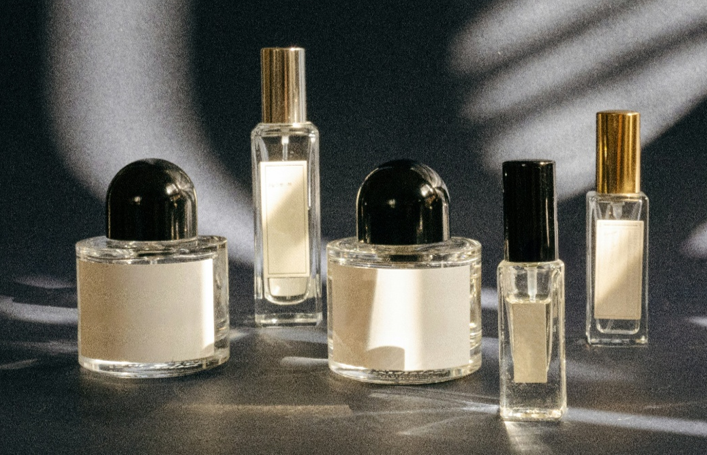
Het is maandagochtend en in de keuken van ons kot hangt een zoete, vanilleachtige geur. Niet van het ontbijt, maar van het nieuwe parfum van mijn kotgenoot. Een alternatief voor een merkparfum van 114 euro, vertelt ze. Haar flesje kostte maar tien euro en ze ontdekte het op TikTok. “Ik was benieuwd hoe dicht het bij het origineel zou komen. Voor tien euro wilde ik het wel eens proberen.”
En ze is lang niet de enige. Waar een designerparfum voor veel studenten een luxe blijft, lijkt een goedkoop alternatief, een zogenaamde dupe, een slimme keuze. Dupes zijn geen namaak. In tegenstelling tot copycats, die zich voordoen als het originele merk, brengen dupes een eigen parfum op de markt. Dat parfum is legaal geproduceerd en lijkt opvallend veel op een bekende geur. Maar wat zit er eigenlijk in? Of een flesje van tien euro even veilig is als een van honderd, weet niemand.
Die vraag werd het vertrekpunt van mijn masterproef aan de Universiteit Gent. Ik focuste me op twee populaire designerparfums en vijftien goedkopere alternatieven van verschillende merken en verkooppunten, en bracht met chemische analyses hun samenstelling in kaart. Mijn doel: nagaan hoe dicht de geuren bij elkaar liggen en of een hoger prijskaartje ook meer veiligheid biedt.
Op zoek naar dupes
Het flesje van mijn kotgenoot werd mijn eerste staal, maar zeker niet het laatste. Wie op zoek gaat naar een dupe, merkt al snel dat er keuze genoeg is: online circuleren eindeloze filmpjes en lijstjes. Met die namen op zak trok ik de Veldstraat in, van winkel tot winkel. Samen met de medewerkers testte ik hoe gelijkaardig de geuren wel waren. Van de meest overtuigende mocht ik een klein staaltje meenemen.
Niet alle tegenhangers waren echter in Gent te vinden, en al snel bleek de markt veel groter dan de Veldstraat alleen. Toevallig had ik in die periode een vakantie naar Istanboel gepland, wat achteraf de ideale gelegenheid bleek om mijn zoektocht verder te zetten. In de groothandelsbuurt van de stad, waar in kelders en op zolders parfumdepots verstopt zitten tussen de gewone winkelstraten, verzamelde ik een eerste reeks stalen. Vervolgens vulde ik die collectie verder aan met alternatieven afkomstig van lokale markten. Zo raakte ik, van de Veldstraat tot de straatjes van Istanboel, uiteindelijk aan mijn volledige verzameling en was ik klaar om het laboratorium in te trekken.
De eerste indruk bedriegt
Je neus vertelt je dat iets gelijkaardig ruikt, maar niet welke ingrediënten achter die geur zitten. Om dat te ontdekken, gebruikte ik tweedimensionale gaschromatografie, een techniek uit de olie-industrie die een parfum volledig uiteenrafelt en alle componenten afzonderlijk zichtbaar maakt. Zo kreeg elk flesje zijn eigen chemische vingerafdruk. Die vingerafdrukken legde ik naast elkaar, en de verschillen waren opvallender dan verwacht.

Wat bleek: de grootste overlap tussen een dupe en het origineel zat vooral in de openingsgeur, de aroma’s die je meteen bereiken zodra je een parfum opspuit. Dat is geen toeval. Die openingsgeur is de meest opvallende en herkenbare, waardoor fabrikanten daar bewust sterk op inzetten. Een dupe die die eerste seconden goed weet te raken, wekt al snel de indruk een perfect alternatief te zijn. En voor veel kopers is die eerste indruk genoeg.
Een parfum verandert echter voortdurend nadat het op de huid is aangebracht. Terwijl de openingsgeur verdwijnt, komen diepere noten sterker naar voren. Dat is het moment waarop een parfum echt zijn karakter toont. En net daar werden de verschillen duidelijker. Ingrediënten die in het origineel de basis vormden, werden in de dupes vaker vervangen door goedkopere componenten, of soms zelfs volledig weggelaten. Veel alternatieven proberen dus niet noodzakelijk het volledige parfum te kopiëren. Ze richten zich vooral op de eerste indruk, precies het moment waarop consumenten een geur beoordelen in een winkel.
Goedkoper betekent niet automatisch onveiliger
Een veelgehoorde bezorgdheid is daarnaast dat parfumdupes een lagere prijs hebben ten koste van hun veiligheid. Een terechte bekommernis, aangezien parfums rechtstreeks op de huid worden aangebracht. Daarom onderzocht ik niet alleen hun geurverschillen, maar ook hun chemische samenstelling, met specifieke aandacht voor de aanwezigheid van allergenen en potentieel toxische stoffen.

Uit de analyses bleek dat veel van de aangetroffen allergenen zowel in de designerparfums als in de dupes voorkwamen. Dat is niet verrassend, aangezien deze stoffen vaak deel uitmaken van geurcomposities die al decennialang bekend zijn binnen de parfumeriesector. De aanwezigheid van dergelijke allergenen betekent bovendien niet automatisch dat een parfum onveilig is, maar wel dat gevoelige personen er mogelijk op reageren.
De meest opvallende bevinding was de aanwezigheid van safrol en isosafrol in twee parfums, afkomstig van een toeristenmarkt. Deze stoffen worden beschouwd als potentieel kankerverwekkend en zijn in de Europese Unie (EU) verboden in cosmetica. Bijkomende analyses zijn echter nodig om hun aanwezigheid definitief te bevestigen. Toch is de vondst opmerkelijk, en wijst ze op een risico dat vaker voorkomt bij parfums die buiten het reguliere handelscircuit worden verkocht.
Los daarvan bleek uit de resultaten geen duidelijk verband tussen de prijs van een parfum en de aanwezigheid van problematische stoffen. Dat is ook niet zo verwonderlijk: elk parfum dat in de EU wordt verkocht, moet voldoen aan strenge wettelijke veiligheidseisen, ongeacht of het om een duur designerparfum of een goedkoop alternatief gaat. De prijs van een parfum vertelt daardoor op zichzelf weinig over de veiligheid ervan.
De wetenschap ruikt er doorheen
Achter een geur gaat dus een uitgekiende combinatie van honderden componenten schuil. Een dupe kopieert er een deel van, voldoende om te overtuigen in de winkel, maar vaak niet genoeg om het origineel te evenaren. Of dat uitmaakt, hangt af van wat je zoekt. Wat dit onderzoek in elk geval aantoont: een parfum is veel meer dan zijn eerste indruk. De wetenschap ruikt er doorheen.
Bibliografie
[1] Bushdid, C., et al., Humans can discriminate more than 1 trillion olfactory stimuli. Science, 2014. 343(6177): p. 1370-2.
[2] Buck, L.B., Unraveling the sense of smell. Les Prix Nobel. The Nobel Prizes, 2004. 2004: p. 267-283.
[3] Saive, A.L., J.P. Royet, and J. Plailly, A review on the neural bases of episodic odor memory: from laboratory-based to autobiographical approaches. Front Behav Neurosci, 2014. 8: p. 240.
[4] Haven, O.s. Why Do We Link Scent With Memories? 2022 May 1, 2022; Available from: https://olivias-haven.co.uk/blogs/journal/why-do-we-link-scent-with-mem….
[5] Herz, R.S., The Role of Odor-Evoked Memory in Psychological and Physiological Health. Brain Sci, 2016. 6(3).
[6] Herz, R.S. and J.W. Schooler, A naturalistic study of autobiographical memories evoked by olfactory and visual cues: Testing the Proustian hypothesis. American Journal of Psychology, 2002. 115(1): p. 21-32.
[7] Green, J.D., et al., The proust effect: Scents, food, and nostalgia. Current Opinion in Psychology, 2023. 50: p. 101562.
[8] Proust, M., Remembrance of things past. Vol. 2. 2006: Wordsworth Editions.
[9] Sharma, A., et al., Sense of Smell: Structural, Functional, Mechanistic Advancements and Challenges in Human Olfactory Research. Curr Neuropharmacol, 2019. 17(9): p. 891-911.
[10] Zhou, T., et al., Advances in predicting human olfactory perception: from data acquisition to computational models. RSC Adv, 2025. 15(53): p. 45359-45375.
[11] Hamakawa, Y. and T. Miyao, Understanding Conformation Importance in Data-Driven Property Prediction Models. Journal of Chemical Information and Modeling, 2025. 65(7): p. 3388-3404.
[12] El Naqa, I. and M.J. Murphy, What Is Machine Learning?, in Machine Learning in Radiation Oncology: Theory and Applications, I. El Naqa, R. Li, and M.J. Murphy, Editors. 2015, Springer International Publishing: Cham. p. 3-11.
[13] LeCun, Y., Y. Bengio, and G. Hinton, Deep learning. Nature, 2015. 521(7553): p. 436-444.
[14] Lötsch, J., D. Kringel, and T. Hummel, Machine Learning in Human Olfactory Research. Chem Senses, 2019. 44(1): p. 11-22.
[15] Farraia, M.V., et al., The electronic nose technology in clinical diagnosis: A systematic review. Porto Biomed J, 2019. 4(4): p. e42.
[16] Gong, Y., et al., A survey on dataset quality in machine learning. Information and Software Technology, 2023. 162: p. 107268.
[17] Benjamin Sanchez-Lengeling, J.N.W., Brian K Lee, Richard C Gerkin, Alán Aspuru-Guzik and Alexander B Wiltschko, Leffingwell Odor Dataset, N.D. Ecosystem, Editor. 2020.
[18] TGSC Information System. 1980.
[19] Advisory, M.I.R., Flavor And Fragrance Market Size & Share Analysis - Growth Trends and Forecast (2025 - 2030) 2025.
[20] Rodrigues, B.C.L., et al., Molecule Generation and Optimization for Efficient Fragrance Creation. Industrial & Engineering Chemistry Research, 2024. 63(33): p. 14480-14494.
[21] Santana, V.V., et al., Optimal fragrances formulation using a deep learning neural network architecture: A novel systematic approach. Computers & Chemical Engineering, 2021. 150: p. 107344.
[22] Shack, C. The Fragrance Pyramid. 2024 March 8, 2024; Available from: https://candle-shack.com/blogs/all-blogs/the-fragrance-pyramid.
[23] Thomas-Danguin, T., et al., The perception of odor objects in everyday life: a review on the processing of odor mixtures. Front Psychol, 2014. 5: p. 504.
[24] Shilpa, S., G. Kashyap, and R.B. Sunoj, Recent Applications of Machine Learning in Molecular Property and Chemical Reaction Outcome Predictions. The Journal of Physical Chemistry A, 2023. 127(40): p. 8253-8271.
[25] Saini, K. and V. Ramanathan, Predicting odor from molecular structure: a multi-label classification approach. Scientific Reports, 2022. 12(1): p. 13863.
[26] Achebouche, R., et al., Application of artificial intelligence to decode the relationships between smell, olfactory receptors and small molecules. Scientific Reports, 2022. 12(1): p. 18817.
[27] Zhang, L., et al., Study on the VOCs-induced odor pollution and health risks in a typical industrial area of Eastern China. Atmospheric Environment, 2026. 374: p. 121984.
[28] Axelsson, G., et al., Annoyance and Worry in a Petrochemical Industrial Area—Prevalence, Time Trends and Risk Indicators. International Journal of Environmental Research and Public Health, 2013. 10(4): p. 1418-1438.
[29] Meng, J., et al., Olfactory-chemical establishment using odour wheels and fingerprints to manage odor pollution for the petrochemical industry. Microchemical Journal, 2024. 205: p. 111253.
[30] Jia, H., et al., Investigation of health risk assessment and odor pollution of volatile organic compounds from industrial activities in the Yangtze River Delta region, China. Ecotoxicology and Environmental Safety, 2021. 208: p. 111474.
[31] Li, Q., et al., Predictive Models of Odor Contribution and Thresholds for Volatiles in Identification of Novel Crop Aroma Compounds. Metabolites, 2025. 15(11).
[32] Hassan, M.A., et al., Prioritizing odorous VOCs emitted from air filters using machine learning models. J Hazard Mater, 2025. 497: p. 139637.
[33] Ye, Z., Y. Liu, and Q. Li, Recent Progress in Smart Electronic Nose Technologies Enabled with Machine Learning Methods. Sensors (Basel), 2021. 21(22).
[34] Gottfried, J.A., Neurobiology of sensation and reward. 2011.
[35] Bridges, B., Fragrance: emerging health and environmental concerns. Flavour and Fragrance Journal, vol. 17, no. 5, pp. 361-371, 2002, doi: https://doi.org/10.1002/ffj.1106.
[36] Gaillard, I., S. Rouquier, and D. Giorgi, Olfactory receptors. Cellular and Molecular Life Sciences CMLS, vol. 61, no. 4, pp. 456-469, 2004, doi: 10.1007/s00018-003-3273-7.
[37] Zarzo, M., The sense of smell: molecular basis of odorant recognition. Biol Rev Camb Philos Soc, vol. 82, no. 3, pp. 455-79, Aug 2007, doi: 10.1111/j.1469-185X.2007.00019.x.
[38] Zarzo, M., What is a fresh scent in perfumery? Perceptual freshness is correlated with substantivity. Sensors (Basel), vol. 13, no. 1, pp. 463-83, Dec 28 2012, doi: 10.3390/s130100463.
[39] Reed, D.R. and A. Knaapila, Chapter 8 - Genetics of Taste and Smell: Poisons and Pleasures, in Progress in Molecular Biology and Translational Science, vol. 94, C. Bouchard Ed.: Academic Press, 2010, pp. 213-240.
[40] Adlard, E.R. and M. Cooke, FRAGRANCES: GAS CHROMATOGRAPHY, in Encyclopedia of Separation Science, I. D. Wilson Ed. Oxford: Academic Press, 2000, pp. 2885-2894.
[41] Billesbølle, C.B. et al., Structural basis of odorant recognition by a human odorant receptor. Nature, vol. 615, no. 7953, pp. 742-749, 2023, doi: 10.1038/s41586-023-05798-y.
[42] Vijaya, N. et al., Chapter 13 - Nanomaterials in fragrance products, in Nanocosmetics, A. Nanda, S. Nanda, T. A. Nguyen, S. Rajendran, and Y. Slimani Eds.: Elsevier, 2020, pp. 247-265.
[43] Miastkowska, M. and E. Lasoń, Chapter 9 - Water-based nanoperfumes, in Nanocosmetics, A. Nanda, S. Nanda, T. A. Nguyen, S. Rajendran, and Y. Slimani Eds.: Elsevier, 2020, pp. 173-183.
[44] Jabeen, A., A. Mohamedali, and S. Ranganathan, Looking for Missing Proteins, in Reference Module in Life Sciences: Elsevier, 2019.
[45] Genva, M., T. Kenne Kemene, M. Deleu, L. Lins, and M.-L. Fauconnier, Is It Possible to Predict the Odor of a Molecule on the Basis of its Structure? International Journal of Molecular Sciences, vol. 20, no. 12, p. 3018, 2019. Available: https://www.mdpi.com/1422-0067/20/12/3018.
[46] Lalis, M., M. Hladiš, S. A. Khalil, L. Briand, S. Fiorucci, and J. Topin, M2OR: a database of olfactory receptor–odorant pairs for understanding the molecular mechanisms of olfaction. Nucleic Acids Research, vol. 52, no. D1, pp. D1370-D1379, 2023, doi: 10.1093/nar/gkad886.
[47] Axel, R., The molecular logic of smell. Scientific American, vol. 273, no. 4, pp. 154-159, 1995.
[48] Branigan, B. and P. Tadi, Physiology, olfactory, in StatPearls [Internet]: StatPearls Publishing, 2023.
[49] Bailey, R. The Olfactory System and Your Sense of Smell. ThoughtCo. https://www.thoughtco.com/olfactory-system-4066176 (accessed 2025).
[50] Buck, L. and R. Axel, A novel multigene family may encode odorant receptors: a molecular basis for odor recognition. Cell, vol. 65, no. 1, pp. 175-87, Apr 5 1991, doi: 10.1016/0092-8674(91)90418-x.
[51] Keller, A. et al., Predicting human olfactory perception from chemical features of odor molecules. Science, vol. 355, no. 6327, pp. 820-826, 2017, doi: doi:10.1126/science.aal2014.
[52] Buck, L.B., Unraveling the sense of smell. Les Prix Nobel. The Nobel Prizes, vol. 2004, pp. 267-283, 2004.
[53] Chiera, F., G. Costa, S. Alcaro, and A. Artese, An overview on olfaction in the biological, analytical, computational, and machine learning fields. Archiv der Pharmazie, vol. 358, no. 1, p. e2400414, 2025, doi: https://doi.org/10.1002/ardp.202400414.
[54] Gacasan, S., D. Baker, and A. Parrill, G protein-coupled receptors: The evolution of structural insight. AIMS Biophysics, vol. 4, pp. 491-527, 2017, doi: 10.3934/biophy.2017.3.491.
[55] Firestein, S., How the olfactory system makes sense of scents. Nature, vol. 413, no. 6852, pp. 211-218, 2001.
[56] Rossiter, K.J., Structure−Odor Relationships. Chemical Reviews, vol. 96, no. 8, pp. 3201-3240, 1996, doi: 10.1021/cr950068a.
[57] Heuss, C. and U. Gerber, G-protein-independent signaling by G-protein-coupled receptors. Trends in Neurosciences, vol. 23, no. 10, pp. 469-475, 2000, doi: https://doi.org/10.1016/S0166-2236(00)01643-X.
[58] Pacalon, J., Molecular modeling of chemosensory receptors / Modélisation moléculaire des récepteurs chimiosensoriels. Université Côte d'Azur, 2022COAZ4084, 2022. Available: https://theses.hal.science/tel-04026629.
[59] Sharma, A., R. Kumar, I. Aier, R. Semwal, P. Tyagi, and P. Varadwaj, Sense of Smell: Structural, Functional, Mechanistic Advancements and Challenges in Human Olfactory Research. Curr Neuropharmacol, vol. 17, no. 9, pp. 891-911, 2019, doi: 10.2174/1570159x17666181206095626.
[60] Zhou, Z. and L. Belluscio, Coding odorant concentration through activation timing between the medial and lateral olfactory bulb. Cell Rep, vol. 2, no. 5, pp. 1143-50, Nov 29 2012, doi: 10.1016/j.celrep.2012.09.035.
[61] Imai, T., Construction of functional neuronal circuitry in the olfactory bulb. Seminars in Cell & Developmental Biology, vol. 35, pp. 180-188, 2014, doi: https://doi.org/10.1016/j.semcdb.2014.07.012.
[62] NobelPrize.org. Nobel Prize Outreach 2025. (accessed 02/12/2025).
[63] Kaneshiro, H. et al., A Structure-Based Approach for Predicting Odor Similarity of Molecules via Docking Simulations with Human Olfactory Receptors. ACS omega, 2025.
[64] Hladiš, M., M. Lalis, S. Fiorucci, and J. Topin, Matching receptor to odorant with protein language and graph neural networks, in The Eleventh International Conference on Learning Representations, 2023.
[65] Mayhew, E.J. et al., Transport features predict if a molecule is odorous. Proc Natl Acad Sci U S A, vol. 119, no. 15, p. e2116576119, Apr 12 2022, doi: 10.1073/pnas.2116576119.
[66] Chacko, R., D. Jain, M. Patwardhan, A. Puri, S. Karande, and B. Rai, Data based predictive models for odor perception. Scientific Reports, vol. 10, no. 1, p. 17136, 2020, doi: 10.1038/s41598-020-73978-1.
[67] Dyson, G.M., Raman effect and the concept of odour. Perfum. Essent. Oil Rec, vol. 28, p. 13, 1937.
[68] Wright, R.H. and R.S.E. Serenius, Odour and molecular vibration. II. Raman spectra of substances with the nitrobenzene odour. Journal of Applied Chemistry, vol. 4, no. 11, pp. 615-621, 1954, doi: https://doi.org/10.1002/jctb.5010041105.
[69] Chen, C., M. Sheng, H. Yuan, X. Pan, H. Tian, and X. Lou, Perceptual interaction of aroma compounds and their effects on the enhancement of flavor quality in foods: a review. Trends in Food Science & Technology, vol. 165, p. 105315, 2025, doi: https://doi.org/10.1016/j.tifs.2025.105315.
[70] Turin, L., A spectroscopic mechanism for primary olfactory reception. Chemical senses, vol. 21, no. 6, pp. 773-791, 1996.
[71] Amoore, J.E., J.W. Johnston, and M. Rubin, The stereochemical theory of odor. Scientific American, vol. 210, no. 2, pp. 42-49, 1964.
[72] Nussinov, R., B. Ma, C.-J. Tsai, and P. Csermely, Allosteric Conformational Barcodes Direct Signaling in the Cell. Structure, vol. 21, no. 9, pp. 1509-1521, 2013, doi: https://doi.org/10.1016/j.str.2013.06.002.
[73] Moncrieff, R.W., The chemical senses. 1946.
[74] Doty, R.L., Odors as cognitive constructs: history of odor classification and attempts to map odor percepts to physical and chemical parameters. Chem Senses, vol. 50, Jan 22 2025, doi: 10.1093/chemse/bjaf022.
[75] Beets, M., Molecular structure and organoleptic quality. Soc. Chem. Ind. (London) Monograph, no. 1, p. 54, 1957.
[76] Zarzo, M., The sense of smell: molecular basis of odorant recognition. Biological Reviews, vol. 82, no. 3, pp. 455-479, 2007, doi: https://doi.org/10.1111/j.1469-185X.2007.00019.x.
[77] Soucy, E.R., D.F. Albeanu, A.L. Fantana, V.N. Murthy, and M. Meister, Precision and diversity in an odor map on the olfactory bulb. Nature neuroscience, vol. 12, no. 2, pp. 210-220, 2009.
[78] Genva, M., T. Kenne Kemene, M. Deleu, L. Lins, and M.L. Fauconnier, Is It Possible to Predict the Odor of a Molecule on the Basis of its Structure? Int J Mol Sci, vol. 20, no. 12, Jun 20 2019, doi: 10.3390/ijms20123018.
[79] Ouellette, R.J. and J.D. Rawn, 3 - Alkanes and Cycloalkanes, in Principles of Organic Chemistry, R.J. Ouellette and J.D. Rawn Eds. Boston: Elsevier, 2015, pp. 65-94.
[80] Anselmi, C. et al., Unsaturated Hydrocarbons with Fruity and Floral Odors. Journal of Agricultural and Food Chemistry, vol. 48, no. 4, pp. 1285-1289, 2000, doi: 10.1021/jf991156p.
[81] Zeni, G., H.B. Formiga, and J.V. Comasseto, Improved procedure for the hydrotelluration of alkynes. Tetrahedron Letters, vol. 41, no. 9, pp. 1311-1313, 2000, doi: https://doi.org/10.1016/S0040-4039(99)02297-2.
[82] Xiao, Z., Y. Hu, Y. Niu, J. Zhang, and B. Yang, Five representative esters and aldehydes from fruits can enhance sweet perception. LWT, vol. 194, p. 115804, 2024, doi: https://doi.org/10.1016/j.lwt.2024.115804.
[83] Hudson, A.E., K.F. Herold, and H.C. Hemmings, 11 - Pharmacology of Inhaled Anesthetics, in Pharmacology and Physiology for Anesthesia (Second Edition), H.C. Hemmings and T.D. Egan Eds. Philadelphia: Elsevier, 2019, pp. 217-240.
[84] Spinelli, S. et al., Sweet liking predicts liking and familiarity of some alcoholic beverages, but not alcohol intake: A population study using a split-sample approach. Food Research International, vol. 183, p. 114155, 2024, doi: https://doi.org/10.1016/j.foodres.2024.114155.
[85] Cité, U.P. Pred-O3. Available: https://odor.rpbs.univ-paris-diderot.fr/search.
[86] de Peyster, A., Methyl Disulfide, in Encyclopedia of Toxicology (Third Edition), P. Wexler Ed. Oxford: Academic Press, 2014, pp. 281-284.
[87] Labuda, I., Flavor Compounds, in Encyclopedia of Microbiology (Third Edition), M. Schaechter Ed. Oxford: Academic Press, 2009, pp. 305-320.
[88] Smith, P.W.G. and A.R. Tatchell, IX - Aliphatic Aldehydes and Ketones, in Fundamental Aliphatic Chemistry, P.W.G. Smith and A.R. Tatchell Eds.: Pergamon, 1965, pp. 147-176.
[89] Tisserand, R. and R. Young, 2 - Essential oil composition, in Essential Oil Safety (Second Edition), R. Tisserand and R. Young Eds. St. Louis: Churchill Livingstone, 2014, pp. 5-22.
[90] Woker, G., The relation between structure and smell in organic compounds. The Journal of Physical Chemistry, vol. 10, no. 6, pp. 455-473, 2002.
[91] Brookes, J.C., A.P. Horsfield, and A.M. Stoneham, Odour character differences for enantiomers correlate with molecular flexibility. J R Soc Interface, vol. 6, no. 30, pp. 75-86, Jan 6 2009, doi: 10.1098/rsif.2008.0165.
[92] Bouton, F., Influence of terpenes and terpenoids on the phase behavior of micro- and macro-emulsions. 2010.
[93] Alagan, L., Decoding Smell: The Future of Odor Mapping with AI and Molecular Chemistry. Berkeley Scientific Journal, vol. 29, no. 1, 2024.
[94] Davankov, V.A., Appendix 4. Analytical Chiral Separation Methods (IUPAC Recommendations 1997), in Encyclopedia of Separation Science, I.D. Wilson Ed. Oxford: Academic Press, 1997, pp. 4681-4684.
[95] Berry, R.S., Molecules: Rigid/Floppy or Solid/Liquid?, in Understanding Molecular Properties: A Symposium in Honour of Professor Carl Johan Ballhausen, J. Avery, J.P. Dahl, and A.E. Hansen Eds. Dordrecht: Springer Netherlands, 1987, pp. 425-448.
[96] Brookes, J.C., Science is perception: what can our sense of smell tell us about ourselves and the world around us? Philos Trans A Math Phys Eng Sci, vol. 368, no. 1924, pp. 3491-502, Aug 13 2010, doi: 10.1098/rsta.2010.0117.
[97] Singh, V., N.R. Murphy, V. Balasubramanian, and J.D. Mainland, Competitive binding predicts nonlinear responses of olfactory receptors to complex mixtures. Proceedings of the National Academy of Sciences, vol. 116, no. 19, pp. 9598-9603, 2019.
[98] Gentilcore, L.R. and C.D. Derby, Complex binding interactions between multicomponent mixtures and odorant receptors in the olfactory organ of the Caribbean spiny lobster Panulirus argus. Chem Senses, vol. 23, no. 3, pp. 269-81, Jun 1998, doi: 10.1093/chemse/23.3.269.
[99] Álvarez-Camacho, M., S. Gonella, S. Campbell, R.A. Scrimger, and W.V. Wismer, A systematic review of smell alterations after radiotherapy for head and neck cancer. Cancer Treatment Reviews, vol. 54, pp. 110-121, 2017, doi: https://doi.org/10.1016/j.ctrv.2017.02.003.
[100] Reddy, G., J.D. Zak, M. Vergassola, and V.N. Murthy, Antagonism in olfactory receptor neurons and its implications for the perception of odor mixtures. Elife, vol. 7, Apr 24 2018, doi: 10.7554/eLife.34958.
[101] Polanski, J., Chemoinformatics: From Chemical Art to Chemistry in Silico, in Encyclopedia of Bioinformatics and Computational Biology, S. Ranganathan, M. Gribskov, K. Nakai, and C. Schönbach Eds. Oxford: Academic Press, 2019, pp. 601-618.
[102] Pan, A., G. Pranavathiyani, and S.S. Chakraborty, Chapter 8 - Computational Modeling of Protein Three-Dimensional Structure: Methods and Resources, in Molecular Docking for Computer-Aided Drug Design, M.S. Coumar Ed.: Academic Press, 2021, pp. 155-178.
[103] Singh, S., Q. Bani Baker, and D.B. Singh, Chapter 18 - Molecular docking and molecular dynamics simulation, in Bioinformatics, D.B. Singh and R.K. Pathak Eds.: Academic Press, 2022, pp. 291-304.
[104] Lalis, M., Modélisation numérique et analytique de la perception olfactive. Université Côte d'Azur, 2024.
[105] Anfinsen, C.B., E. Haber, M. Sela, and F. White Jr, The kinetics of formation of native ribonuclease during oxidation of the reduced polypeptide chain. Proceedings of the National Academy of Sciences, vol. 47, no. 9, pp. 1309-1314, 1961.
[106] Anfinsen, C.B., Principles that Govern the Folding of Protein Chains. Science, vol. 181, no. 4096, pp. 223-230, 1973, doi: doi:10.1126/science.181.4096.223.
[107] Anfinsen, C.B., E. Haber, M. Sela, and F.H. White Jr., The kinetics of formation of native ribonuclease during oxidation of the reduced polypeptide chain. Proc Natl Acad Sci U S A, vol. 47, no. 9, pp. 1309-14, Sep 15 1961, doi: 10.1073/pnas.47.9.1309.
[108] Hunter, P., Into the fold. Advances in technology and algorithms facilitate great strides in protein structure prediction. EMBO Rep, vol. 7, no. 3, pp. 249-52, Mar 2006, doi: 10.1038/sj.embor.7400655.
[109] Biro, J.C., Nucleic acid chaperons: a theory of an RNA-assisted protein folding. Theoretical Biology and Medical Modelling, vol. 2, no. 1, p. 35, 2005, doi: 10.1186/1742-4682-2-35.
[110] Lee, J., P.L. Freddolino, and Y. Zhang, Ab initio protein structure prediction, in From protein structure to function with bioinformatics: Springer, 2017, pp. 3-35.
[111] Mortuza, S.M., W. Zheng, C. Zhang, Y. Li, R. Pearce, and Y. Zhang, Improving fragment-based ab initio protein structure assembly using low-accuracy contact-map predictions. Nature Communications, vol. 12, no. 1, p. 5011, 2021, doi: 10.1038/s41467-021-25316-w.
[112] Peng, J. and J. Xu, Boosting Protein Threading Accuracy. Res Comput Mol Biol, vol. 5541, pp. 31-45, 2009, doi: 10.1007/978-3-642-02008-7_3.
[113] Zhang, Y. and J. Skolnick, The protein structure prediction problem could be solved using the current PDB library. Proceedings of the National Academy of Sciences, vol. 102, no. 4, pp. 1029-1034, 2005.
[114] Kihara, D. and J. Skolnick, The PDB is a covering set of small protein structures. Journal of molecular biology, vol. 334, no. 4, pp. 793-802, 2003.
[115] Peng, J. and J. Xu, Boosting protein threading accuracy, in Annual international conference on research in computational molecular biology, 2009: Springer, pp. 31-45.
[116] Xu, J. and Y. Zhang, How significant is a protein structure similarity with TM-score = 0.5? Bioinformatics, vol. 26, no. 7, pp. 889-895, 2010, doi: 10.1093/bioinformatics/btq066.
[117] Muhammed, M.T. and E. Aki‐Yalcin, Homology modeling in drug discovery: Overview, current applications, and future perspectives. Chemical biology & drug design, vol. 93, no. 1, pp. 12-20, 2019.
[118] Wang, X., H.C. Stephen Chan, and S. Yuan, Modeling of Olfactory Receptors, in Homology Modeling: Methods and Protocols, S. Filipek Ed. New York, NY: Springer US, 2023, pp. 183-193.
[119] Godzik, A., Fold recognition methods. Structural bioinformatics, vol. 44, pp. 525-546, 2003.
[120] Hillisch, A., L.F. Pineda, and R. Hilgenfeld, Utility of homology models in the drug discovery process. Drug Discovery Today, vol. 9, no. 15, pp. 659-669, 2004, doi: https://doi.org/10.1016/S1359-6446(04)03196-4.
[121] Larsson, P., B. Wallner, E. Lindahl, and A. Elofsson, Using multiple templates to improve quality of homology models in automated homology modeling. Protein Sci, vol. 17, no. 6, pp. 990-1002, Jun 2008, doi: 10.1110/ps.073344908.
[122] Muhammed, M.T. and E. Aki-Yalcin, Homology modeling in drug discovery: Overview, current applications, and future perspectives. Chem Biol Drug Des, vol. 93, no. 1, pp. 12-20, Jan 2019, doi: 10.1111/cbdd.13388.
[123] Hameduh, T., Y. Haddad, V. Adam, and Z. Heger, Homology modeling in the time of collective and artificial intelligence. Computational and Structural Biotechnology Journal, vol. 18, pp. 3494-3506, 2020, doi: https://doi.org/10.1016/j.csbj.2020.11.007.
[124] Vyas, V.K., R.D. Ukawala, M. Ghate, and C. Chintha, Homology modeling a fast tool for drug discovery: current perspectives. Indian J Pharm Sci, vol. 74, no. 1, pp. 1-17, Jan 2012, doi: 10.4103/0250-474x.102537.
[125] Webb, B. and A. Sali, Comparative protein structure modeling using MODELLER. Current protocols in bioinformatics, vol. 54, no. 1, pp. 5.6.1-5.6.37, 2016.
[126] Akutsu, T. and K.L. Sim, Protein Threading Based on Multiple Protein Structure Alignment. Genome Inform Ser Workshop Genome Inform, vol. 10, pp. 23-29, 1999.
[127] Launay, G., S. Téletchéa, F. Wade, E. Pajot-Augy, J.-F. Gibrat, and G. Sanz, Automatic modeling of mammalian olfactory receptors and docking of odorants. Protein Engineering, Design and Selection, vol. 25, no. 8, pp. 377-386, 2012, doi: 10.1093/protein/gzs037.
[128] Fiser, A. and A. Šali, Modeller: Generation and Refinement of Homology-Based Protein Structure Models, in Methods in Enzymology, vol. 374: Academic Press, 2003, pp. 461-491.
[129] Guex, N. and M.C. Peitsch, SWISS-MODEL and the Swiss-PdbViewer: an environment for comparative protein modeling. Electrophoresis, vol. 18, no. 15, pp. 2714-23, Dec 1997, doi: 10.1002/elps.1150181505.
[130] Kelley, L.A., S. Mezulis, C.M. Yates, M.N. Wass, and M.J. Sternberg, The Phyre2 web portal for protein modeling, prediction and analysis. Nat Protoc, vol. 10, no. 6, pp. 845-58, Jun 2015, doi: 10.1038/nprot.2015.053.
[131] Roy, A., A. Kucukural, and Y. Zhang, I-TASSER: a unified platform for automated protein structure and function prediction. Nature Protocols, vol. 5, no. 4, pp. 725-738, 2010, doi: 10.1038/nprot.2010.5.
[132] Odoemelam, C.S., V. Steuber, and M. Schmuker, Computational modelling of olfactory receptors. Biochimica et Biophysica Acta (BBA) - General Subjects, vol. 1869, no. 8, p. 130825, 2025, doi: https://doi.org/10.1016/j.bbagen.2025.130825.
[133] Roy, K., S. Kar, and R.N. Das, Chapter 10 - Other Related Techniques, in Understanding the Basics of QSAR for Applications in Pharmaceutical Sciences and Risk Assessment, K. Roy, S. Kar, and R.N. Das Eds. Boston: Academic Press, 2015, pp. 357-425.
[134] Meng, X.Y., H.X. Zhang, M. Mezei, and M. Cui, Molecular docking: a powerful approach for structure-based drug discovery. Curr Comput Aided Drug Des, vol. 7, no. 2, pp. 146-57, Jun 2011, doi: 10.2174/157340911795677602.
[135] Morgnanesi, D., E.J. Heinrichs, A.R. Mele, S. Wilkinson, S. Zhou, and J.L. Kulp, A computational chemistry perspective on the current status and future direction of hepatitis B antiviral drug discovery. Antiviral Research, vol. 123, pp. 204-215, 2015, doi: https://doi.org/10.1016/j.antiviral.2015.10.014.
[136] Paggi, J.M., A. Pandit, and R.O. Dror, The art and science of molecular docking. Annual review of biochemistry, vol. 93, no. 1, pp. 389-410, 2024.
[137] Ferreira, L.G., R.N. Dos Santos, G. Oliva, and A.D. Andricopulo, Molecular docking and structure-based drug design strategies. Molecules, vol. 20, no. 7, pp. 13384-13421, 2015.
[138] Li, J., A. Fu, and L. Zhang, An Overview of Scoring Functions Used for Protein–Ligand Interactions in Molecular Docking. Interdisciplinary Sciences: Computational Life Sciences, vol. 11, no. 2, pp. 320-328, 2019, doi: 10.1007/s12539-019-00327-w.
[139] Guedes, I.A., F.S.S. Pereira, and L.E. Dardenne, Empirical Scoring Functions for Structure-Based Virtual Screening: Applications, Critical Aspects, and Challenges. Frontiers in Pharmacology, vol. 9, 2018, doi: 10.3389/fphar.2018.01089.
[140] Huang, S.-Y., S.Z. Grinter, and X. Zou, Scoring functions and their evaluation methods for protein–ligand docking: recent advances and future directions. Physical Chemistry Chemical Physics, vol. 12, no. 40, pp. 12899-12908, 2010, doi: 10.1039/C0CP00151A.
[141] Santos, L.H.S., R.S. Ferreira, and E.R. Caffarena, Integrating Molecular Docking and Molecular Dynamics Simulations. Methods Mol Biol, vol. 2053, pp. 13-34, 2019, doi: 10.1007/978-1-4939-9752-7_2.
[142] Hollingsworth, S.A. and R.O. Dror, Molecular dynamics simulation for all. Neuron, vol. 99, no. 6, pp. 1129-1143, 2018.
[143] Shukla, R. and T. Tripathi, Molecular Dynamics Simulation of Protein and Protein–Ligand Complexes, in Computer-Aided Drug Design, D.B. Singh Ed. Singapore: Springer Singapore, 2020, pp. 133-161.
[144] McCammon, J.A., B.R. Gelin, and M. Karplus, Dynamics of folded proteins. Nature, vol. 267, no. 5612, pp. 585-590, 1977.
[145] Frenkel, D. and B. Smit, Chapter 4 - Molecular Dynamics simulations, in Understanding Molecular Simulation (Third Edition), D. Frenkel and B. Smit Eds.: Academic Press, 2023, pp. 97-124.
[146] Choi, J.M. and H.-S. Kim, Chapter Eight - Structure-guided rational design of the substrate specificity and catalytic activity of an enzyme, in Methods in Enzymology, vol. 643, D.S. Tawfik Ed.: Academic Press, 2020, pp. 181-202.
[147] Okamoto, C. and K. Ando, Molecular dynamics simulation analysis of structural dynamic cross correlation induced by odorant hydrogen-bonding in mouse eugenol olfactory receptor. bioRxiv, p. 2023.11.05.565671, 2024, doi: 10.1101/2023.11.05.565671.
[148] Floriano, W.B., N. Vaidehi, W.A. Goddard, M.S. Singer, and G.M. Shepherd, Molecular mechanisms underlying differential odor responses of a mouse olfactory receptor. Proceedings of the National Academy of Sciences, vol. 97, no. 20, pp. 10712-10716, 2000, doi: doi:10.1073/pnas.97.20.10712.
[149] Dobbelaere, M.R., P.P. Plehiers, R. Van de Vijver, C.V. Stevens, and K.M. Van Geem, Machine Learning in Chemical Engineering: Strengths, Weaknesses, Opportunities, and Threats. Engineering, vol. 7, no. 9, pp. 1201-1211, 2021, doi: https://doi.org/10.1016/j.eng.2021.03.019.
[150] Oliveira, L.M.C., V.V. Santana, A.E. Rodrigues, A.M. Ribeiro, and I.B.R. Nogueira, A framework for predicting odor threshold values of perfumes by scientific machine learning and transfer learning. Heliyon, vol. 9, no. 10, 2023, doi: 10.1016/j.heliyon.2023.e20813.
[151] Dravnieks, A., Odor quality: semantically generated multidimensional profiles are stable. Science, vol. 218, no. 4574, pp. 799-801, 1982.
[152] Keller, A. and L.B. Vosshall, Olfactory perception of chemically diverse molecules. BMC neuroscience, vol. 17, no. 1, p. 55, 2016.
[153] Hamel, E.A. et al., Pyrfume: A window to the world's olfactory data. Scientific Data, vol. 11, no. 1, p. 1220, 2024, doi: 10.1038/s41597-024-04051-z.
[154] Gerkin, R.C., Parsing Sage and Rosemary in Time: The Machine Learning Race to Crack Olfactory Perception. Chem Senses, vol. 46, Jan 1 2021, doi: 10.1093/chemse/bjab020.
[155] Krenn, M. et al., SELFIES and the future of molecular string representations. Patterns, vol. 3, no. 10, p. 100588, 2022, doi: 10.1016/j.patter.2022.100588.
[156] Leon, M., Y. Perezhohin, F. Peres, A. Popovič, and M. Castelli, Comparing SMILES and SELFIES tokenization for enhanced chemical language modeling. Scientific Reports, vol. 14, no. 1, p. 25016, 2024, doi: 10.1038/s41598-024-76440-8.
[157] O'Boyle, N.M., Towards a Universal SMILES representation - A standard method to generate canonical SMILES based on the InChI. Journal of Cheminformatics, vol. 4, no. 1, p. 22, 2012, doi: 10.1186/1758-2946-4-22.
[158] Goodman, J.M., I. Pletnev, P. Thiessen, E. Bolton, and S.R. Heller, InChI version 1.06: now more than 99.99% reliable. Journal of Cheminformatics, vol. 13, no. 1, p. 40, 2021, doi: 10.1186/s13321-021-00517-z.
[159] Morgan, H.L., The generation of a unique machine description for chemical structures-a technique developed at chemical abstracts service. Journal of chemical documentation, vol. 5, no. 2, pp. 107-113, 1965.
[160] Rogers, D., R.D. Brown, and M. Hahn, Using Extended-Connectivity Fingerprints with Laplacian-Modified Bayesian Analysis in High-Throughput Screening Follow-Up. Journal of Biomolecular Screening, vol. 10, no. 7, pp. 682-686, 2005, doi: 10.1177/1087057105281365.
[161] Rogers, D. and M. Hahn, Extended-Connectivity Fingerprints. Journal of Chemical Information and Modeling, vol. 50, no. 5, pp. 742-754, 2010, doi: 10.1021/ci100050t.
[162] Yang, J., Y. Cai, K. Zhao, H. Xie, and X. Chen, Concepts and applications of chemical fingerprint for hit and lead screening. Drug Discovery Today, vol. 27, no. 11, p. 103356, 2022, doi: https://doi.org/10.1016/j.drudis.2022.103356.
[163] Gütlein, M. and S. Kramer, Filtered circular fingerprints improve either prediction or runtime performance while retaining interpretability. Journal of Cheminformatics, vol. 8, no. 1, p. 60, 2016, doi: 10.1186/s13321-016-0173-z.
[164] Vault, C., Open source ECFP/FCFP circular fingerprints in CDK. 2014.
[165] Wu, H., The hash function JH. Submission to NIST (round 3), vol. 6, 2011.
[166] Xu, K., W. Hu, J. Leskovec, and S. Jegelka, How powerful are graph neural networks? arXiv preprint arXiv:1810.00826, 2018.
[167] Schütt, K.T., S. Chmiela, O.A. Von Lilienfeld, A. Tkatchenko, K. Tsuda, and K.-R. Müller, Machine learning meets quantum physics. Lecture Notes in Physics, 2020.
[168] Withnall, M., E. Lindelöf, O. Engkvist, and H. Chen, Building attention and edge message passing neural networks for bioactivity and physical–chemical property prediction. Journal of Cheminformatics, vol. 12, no. 1, p. 1, 2020, doi: 10.1186/s13321-019-0407-y.
[169] Abbassi, O., S. Ziti, M. Belhiah, S. Lagmiri, and Y. Seghroucheni, GMPP-NN: a deep learning architecture for graph molecular property prediction. Discover Applied Sciences, vol. 6, 2024, doi: 10.1007/s42452-024-05944-9.
[170] Chauhan, N. and K. Singh, A Review on Conventional Machine Learning vs Deep Learning. 2018, pp. 347-352.
[171] Hao, Z., H. Li, J. Guo, and Y. Xu, Advances in artificial intelligence for olfaction and gustation: a comprehensive review. Artificial Intelligence Review, vol. 58, no. 10, p. 306, 2025, doi: 10.1007/s10462-025-11309-4.
[172] Li, H., B. Panwar, G.S. Omenn, and Y. Guan, Accurate prediction of personalized olfactory perception from large-scale chemoinformatic features. Gigascience, vol. 7, no. 2, pp. 1-11, Feb 1 2018, doi: 10.1093/gigascience/gix127.
[173] Khan, M.Y., A. Qayoom, M. Nizami, M.S. Siddiqui, S. Wasi, and K.-U.-R.R. Syed, Automated Prediction of Good Dictionary EXamples (GDEX): A Comprehensive Experiment with Distant Supervision, Machine Learning, and Word Embedding-Based Deep Learning Techniques. Complexity, 2021, doi: 10.1155/2021/2553199.
[174] Yu, X., L. Tang, L. Long, and M. Sina, Comparison of deep and conventional machine learning models for prediction of one supply chain management distribution cost. Scientific Reports, vol. 14, no. 1, p. 24195, 2024, doi: 10.1038/s41598-024-75114-9.
[175] Vapnik, V., The Support Vector Method of Function Estimation, in Nonlinear Modeling: Advanced Black-Box Techniques, J.A.K. Suykens and J. Vandewalle Eds. Boston, MA: Springer US, 1998, pp. 55-85.
[176] Cortes, C. and V. Vapnik, Support-vector networks. Machine Learning, vol. 20, no. 3, pp. 273-297, 1995, doi: 10.1007/BF00994018.
[177] Kumar, A. Support Vector Machine (SVM) Python Example. Available: https://vitalflux.com/classification-model-svm-classifier-python-exampl….
[178] Shang, L., C. Liu, Y. Tomiura, and K. Hayashi, Machine-Learning-Based Olfactometer: Prediction of Odor Perception from Physicochemical Features of Odorant Molecules. Analytical Chemistry, vol. 89, no. 22, pp. 11999-12005, 2017, doi: 10.1021/acs.analchem.7b02389.
[179] Suh, J., Y. Hong, and C. Park, A comparative study of machine learning models on molecular fingerprints for odor decoding. Commun Chem, vol. 8, no. 1, p. 278, Sep 25 2025, doi: 10.1038/s42004-025-01651-7.
[180] McCulloch, W.S. and W. Pitts, A logical calculus of the ideas immanent in nervous activity. The bulletin of mathematical biophysics, vol. 5, no. 4, pp. 115-133, 1943.
[181] Zayegh, A. and N. Al Bassam, Neural network principles and applications. Digital systems, pp. 115-131, 2018.
[182] Nayak, S.K., S.C. Nayak, and S. Das, Modeling and Forecasting Cryptocurrency Closing Prices with Rao Algorithm-Based Artificial Neural Networks: A Machine Learning Approach. FinTech, vol. 1, no. 1, pp. 47-62, 2022. Available: https://www.mdpi.com/2674-1032/1/1/4.
[183] Yamashita, R., M. Nishio, R.K.G. Do, and K. Togashi, Convolutional neural networks: an overview and application in radiology. Insights into Imaging, vol. 9, no. 4, pp. 611-629, 2018, doi: 10.1007/s13244-018-0639-9.
[184] Zhou, J. et al., Graph neural networks: A review of methods and applications. AI Open, vol. 1, pp. 57-81, 2020, doi: https://doi.org/10.1016/j.aiopen.2021.01.001.
[185] Bronstein, M.M., J. Bruna, Y. LeCun, A. Szlam, and P. Vandergheynst, Geometric deep learning: going beyond euclidean data. IEEE Signal Processing Magazine, vol. 34, no. 4, pp. 18-42, 2017.
[186] Wu, D., D. Luo, K.Y. Wong, and K. Hung, POP-CNN: Predicting Odor Pleasantness With Convolutional Neural Network. IEEE Sensors Journal, vol. 19, no. 23, pp. 11337-11345, 2019, doi: 10.1109/JSEN.2019.2933692.
[187] Singh, S., D. Schicker, H. Haug, T. Sauerwald, and A.T. Grasskamp, Odor prediction of whiskies based on their molecular composition. Communications Chemistry, vol. 7, no. 1, p. 293, 2024, doi: 10.1038/s42004-024-01373-2.
[188] Schicker, D., S. Singh, J. Freiherr, and A.T. Grasskamp, OWSum: algorithmic odor prediction and insight into structure-odor relationships. Journal of Cheminformatics, vol. 15, no. 1, p. 51, 2023, doi: 10.1186/s13321-023-00722-y.
[189] Khemani, B., S. Patil, K. Kotecha, and S. Tanwar, A review of graph neural networks: concepts, architectures, techniques, challenges, datasets, applications, and future directions. Journal of Big Data, vol. 11, no. 1, p. 18, 2024, doi: 10.1186/s40537-023-00876-4.
[190] Zeghina, A., A. Leborgne, F. Le Ber, and A. Vacavant, Deep learning on spatiotemporal graphs: A systematic review, methodological landscape, and research opportunities. Neurocomputing, vol. 594, p. 127861, 2024, doi: https://doi.org/10.1016/j.neucom.2024.127861.
[191] Bharilya, V. and N. Kumar, Machine learning for autonomous vehicle's trajectory prediction: A comprehensive survey, challenges, and future research directions. Vehicular Communications, vol. 46, p. 100733, 2024, doi: https://doi.org/10.1016/j.vehcom.2024.100733.
[192] Lee, B.K. et al., A principal odor map unifies diverse tasks in olfactory perception. Science, vol. 381, no. 6661, pp. 999-1006, 2023, doi: doi:10.1126/science.ade4401.
[193] France, K. and O. Daescu, Artificial Intelligence and Olfaction: A Survey on the Sense of Smell for Robotics. 2025.
[194] Osmo. Digitizing smell to give everyone a chance at a better life. Available: https://www.osmo.ai/about.
[195] Prjibelski, A.D., A.I. Korobeynikov, and A.L. Lapidus, Sequence Analysis, in Encyclopedia of Bioinformatics and Computational Biology, S. Ranganathan, M. Gribskov, K. Nakai, and C. Schönbach Eds. Oxford: Academic Press, 2019, pp. 292-322.
[196] Wu, R. et al., High-resolution de novo structure prediction from primary sequence. bioRxiv, p. 2022.07.21.500999, 2022, doi: 10.1101/2022.07.21.500999.
[197] Lin, Z. et al., Evolutionary-scale prediction of atomic-level protein structure with a language model. Science, vol. 379, no. 6637, pp. 1123-1130, 2023, doi: doi:10.1126/science.ade2574.
[198] Wang, J., J.L. Watson, and S.L. Lisanza, Protein Design Using Structure-Prediction Networks: AlphaFold and RoseTTAFold as Protein Structure Foundation Models. Cold Spring Harb Perspect Biol, vol. 16, no. 7, Jul 1 2024, doi: 10.1101/cshperspect.a041472.
[199] Nicoli, A. et al., Modeling the Orthosteric Binding Site of the G Protein-Coupled Odorant Receptor OR5K1. Journal of Chemical Information and Modeling, vol. 63, no. 7, pp. 2014-2029, 2023, doi: 10.1021/acs.jcim.2c00752.
[200] Yang, Z., X. Zeng, Y. Zhao, and R. Chen, AlphaFold2 and its applications in the fields of biology and medicine. Signal Transduction and Targeted Therapy, vol. 8, no. 1, p. 115, 2023, doi: 10.1038/s41392-023-01381-z.
[201] Brandes, N., D. Ofer, Y. Peleg, N. Rappoport, and M. Linial, ProteinBERT: a universal deep-learning model of protein sequence and function. Bioinformatics, vol. 38, no. 8, pp. 2102-2110, 2022, doi: 10.1093/bioinformatics/btac020.
[202] Ghazikhani, H. and G. Butler, Ion channel classification through machine learning and protein language model embeddings. J Integr Bioinform, vol. 21, no. 4, Dec 1 2024, doi: 10.1515/jib-2023-0047.
[203] Buton, N., F. Coste, and Y. Le Cunff, Predicting enzymatic function of protein sequences with attention. Bioinformatics, vol. 39, no. 10, 2023, doi: 10.1093/bioinformatics/btad620.
[204] van Asten, A., The importance of GC and GC-MS in perfume analysis. TrAC Trends in Analytical Chemistry, vol. 21, no. 9, pp. 698-708, 2002, doi: https://doi.org/10.1016/S0165-9936(02)00807-5.
[205] Sharmeen, J.B., F.M. Mahomoodally, G. Zengin, and F. Maggi, Essential Oils as Natural Sources of Fragrance Compounds for Cosmetics and Cosmeceuticals. Molecules, vol. 26, no. 3, Jan 27 2021, doi: 10.3390/molecules26030666.
[206] Aghoutane, Y., M. Brebu, M. Moufid, R. Ionescu, B. Bouchikhi, and N. El Bari, Detection of Counterfeit Perfumes by Using GC-MS Technique and Electronic Nose System Combined with Chemometric Tools. Micromachines (Basel), vol. 14, no. 3, Feb 24 2023, doi: 10.3390/mi14030524.
[207] Givaudan. Givaudan. Available: https://www.givaudan.com/.
[208] IFF. Available: https://www.iff.com/ (accessed 2026).
[209] DSM-Firmenich. Available: https://www.dsm-firmenich.com/en/home.html.
[210] Symrise. Available: https://www.symrise.com/.
[211] M.I.F. Company. Available: https://gulcicek.com/ (accessed 2026).
[212] S. Kozmetik. Available: https://seckinozcosmetic.com/ (accessed 2026).
[213] Eurofragance. Available: https://www.eurofragance.com/ (accessed 2026).
[214] Puig. Available: https://www.puig.com/en/ (accessed 2026).
[215] EMA. Generic and hybrid medicines. Available: https://www.ema.europa.eu/en/human-regulatory-overview/marketing-author… (accessed 22/05/2026).
[216] WIPO. Available: https://www.wipo.int/meetings/en/doc_details.jsp?doc_id=130445.
[217] Godinho, R.B., M.C. Santos, and R.J. Poppi, Determination of fragrance content in perfume by Raman spectroscopy and multivariate calibration. Spectrochimica Acta Part A: Molecular and Biomolecular Spectroscopy, vol. 157, pp. 158-163, 2016, doi: https://doi.org/10.1016/j.saa.2015.12.025.
[218] Stefanuto, P.-H. and J.-F. Focant, Chapter 3 - Columns and column configurations, in Separation Science and Technology, vol. 12, N.H. Snow Ed.: Academic Press, 2020, pp. 69-88.
[219] Cortes, H.J., B. Winniford, J. Luong, and M. Pursch, Comprehensive two dimensional gas chromatography review. Journal of separation science, vol. 32, no. 5-6, pp. 883-904, 2009.
[220] Dimandja, J.-M.D., Peer reviewed: GC x GC. ACS Publications, 2004.
[221] Equivalenza. Inspired Perfumes, Equivalent Perfumes, Smell-Alike Perfumes, Dupe Perfumes & Similar Perfumes – What's the Difference? Available: https://equivalenzauk.co.uk/blogs/blog/inspired-perfumes-equivalent-per… (accessed 2026).
[222] UNECE. Globally Harmonized System of Classification and Labelling of Chemicals (GHS). Available: https://unece.org/about-ghs (accessed 2026).
[223] Commission Regulation (EU) 2023/1545 of 26 July 2023 amending Regulation (EC) No 1223/2009 of the European Parliament and of the Council as regards labelling of fragrance allergens in cosmetic products. 2023. Available: https://eur-lex.europa.eu/eli/reg/2023/1545/oj.
[224] Bråred Christensson, J., P. Forsström, A.M. Wennberg, A.T. Karlberg, and M. Matura, Air oxidation increases skin irritation from fragrance terpenes. Contact Dermatitis, vol. 60, no. 1, pp. 32-40, Jan 2009, doi: 10.1111/j.1600-0536.2008.01471.x.
[225] Uter, W., Contact allergy to fragrances: current clinical and regulatory trends. Allergol Select, vol. 1, no. 2, pp. 190-199, 2017, doi: 10.5414/alx01604e.
[226] Srivastava, A.K., P. Mishra, and A.K. Mishra, 3 - Effect of climate change on plant secondary metabolism: An ecological perspective, in Evolutionary Diversity as a Source for Anticancer Molecules, A.K. Srivastava, V.K. Kannaujiya, R.K. Singh, and D. Singh Eds.: Academic Press, 2021, pp. 47-76.
[227] Dobbelaere, M.R., I. Lengyel, C.V. Stevens, and K.M. Van Geem, Geometric deep learning for molecular property predictions with chemical accuracy across chemical space. J Cheminform, vol. 16, no. 1, p. 99, Aug 13 2024, doi: 10.1186/s13321-024-00895-0.
[228] Ameta, D., L. Behera, A. Chakraborty, and T. Sandhan, Predicting odor from vibrational spectra: a data-driven approach. Scientific Reports, vol. 14, no. 1, p. 20321, 2024, doi: 10.1038/s41598-024-70696-w.
[229] Plevova, K., S. Antoniotti, A. Frix, and S. Antoniotti, A holistic vision for a sustainable fragrance industry. RSC Sustainability, vol. 4, no. 1, pp. 21-27, 2025, doi: https://doi.org/10.1039/d5su00680e.
[230] Nations, U. The 17 Goals. Available: https://sdgs.un.org/goals.
[231] Iqbal, A., M.A. Bhat, Q. Muneeb, and M. Javid, Revolutionizing perfume creation: PTD's innovative approach. Digital Chemical Engineering, vol. 15, p. 100223, 2025, doi: https://doi.org/10.1016/j.dche.2025.100223.
[232] Kumar, Y. et al., AromaDb: A Database of Medicinal and Aromatic Plant's Aroma Molecules With Phytochemistry and Therapeutic Potentials. Frontiers in Plant Science, vol. 9, 2018, doi: 10.3389/fpls.2018.01081.
[233] Dravnieks, A., Odor character profiling. Journal of the Air Pollution Control Association, vol. 33, no. 8, pp. 775-778, 1983.
[234] Kumari, S. et al., EssOilDB: a database of essential oils reflecting terpene composition and variability in the plant kingdom. Database (Oxford), vol. 2014, p. bau120, 2014, doi: 10.1093/database/bau120.
[235] Garg, N. et al., FlavorDB: a database of flavor molecules. Nucleic acids research, vol. 46, no. D1, pp. D1210-D1216, 2018.
[236] Arn, H. and T. Acree, Flavornet: A database of aroma compounds based on odor potency in natural products. Developments in food science, vol. 40, pp. 27-28, 1998.
[237] Sharma, A., B.K. Saha, R. Kumar, and P.K. Varadwaj, OlfactionBase: a repository to explore odors, odorants, olfactory receptors and odorant–receptor interactions. Nucleic Acids Research, vol. 50, no. D1, pp. D678-D686, 2021, doi: 10.1093/nar/gkab763.
[238] Ollitrault, G. et al., Pred-O3, a web server to predict molecules, olfactory receptors and odor relationships. Nucleic Acids Research, vol. 52, no. W1, pp. W507-W512, 2024.
[239] RIFM. RIFM Database. Available: https://rifm.org/rifm-database/.
[240] Wiggers, W. v. D. B. Scents & Flavors. Available: https://scentsandflavors.com/database/.
[241] Dunkel, M. et al., SuperScent—a database of flavors and scents. Nucleic Acids Research, vol. 37, no. suppl_1, pp. D291-D294, 2008, doi: 10.1093/nar/gkn695.
[242] El-Sayed, A., The Pherobase: Database of Insect Pheromones and Semiochemicals. 2014.
[243] Skoufos, E., L. Marenco, P.M. Nadkarni, P.L. Miller, and G.M. Shepherd, Olfactory receptor database: a sensory chemoreceptor resource. Nucleic acids research, vol. 28, no. 1, pp. 341-343, 2000.
[244] Liu, X. et al., ODORactor: a web server for deciphering olfactory coding. Bioinformatics, vol. 27, no. 16, pp. 2302-2303, 2011, doi: 10.1093/bioinformatics/btr385.
[245] Modena, D., M. Trentini, M. Corsini, A. Bombaci, and A. Giorgetti, OlfactionDB: A Database of Olfactory Receptors and Their Ligands. Advances in life sciences, vol. 1, pp. 1-5, 2012.
[246] Olender, T., N. Nativ, and D. Lancet, HORDE: comprehensive resource for olfactory receptor genomics, in Olfactory receptors: methods and protocols: Springer, 2013, pp. 23-38.
[247] Healy, M.D. et al., Olfactory receptor database (ORDB): a resource for sharing and analyzing published and unpublished data. Chemical senses, vol. 22, no. 3, pp. 321-326, 1997.
[248] UniProt Consortium, UniProt: the universal protein knowledgebase in 2021. Nucleic Acids Research, vol. 49, no. D1, pp. D480-D489, 2020, doi: 10.1093/nar/gkaa1100.
[249] Kowalewski, J., B. Huynh, and A. Ray, A system-wide understanding of the human olfactory percept chemical space. Chemical senses, vol. 46, p. bjab007, 2021.
[250] Fang, Y., X. Pan, and H.-B. Shen, De Novo Drug Design by Iterative Multi-Objective Deep Reinforcement Learning with Graph-based Molecular Quality Assessment. Bioinformatics (Oxford, England), vol. 39, 2023, doi: 10.1093/bioinformatics/btad157.
[251] Cheng, A.H., A. Cai, S. Miret, G. Malkomes, M. Phielipp, and A. Aspuru-Guzik, Group SELFIES: a robust fragment-based molecular string representation. Digital Discovery, vol. 2, no. 3, pp. 748-758, 2023.
[252] Nguyen-Vo, T.-H., P. Teesdale-Spittle, J.E. Harvey, and B.P. Nguyen, Molecular representations in bio-cheminformatics. Memetic Computing, vol. 16, no. 3, pp. 519-536, 2024, doi: 10.1007/s12293-024-00414-6.
[253] Wigh, D.S., J.M. Goodman, and A.A. Lapkin, A review of molecular representation in the age of machine learning. WIREs Computational Molecular Science, vol. 12, no. 5, p. e1603, 2022, doi: https://doi.org/10.1002/wcms.1603.
[254] Weininger, D., SMILES, a chemical language and information system. 1. Introduction to methodology and encoding rules. Journal of Chemical Information and Computer Sciences, vol. 28, no. 1, pp. 31-36, 1988, doi: 10.1021/ci00057a005.
[255] Heller, S.R., A. McNaught, I. Pletnev, S. Stein, and D. Tchekhovskoi, InChI, the IUPAC international chemical identifier. Journal of cheminformatics, vol. 7, no. 1, p. 23, 2015.
[256] Krenn, M., F. Häse, A. Nigam, P. Friederich, and A. Aspuru-Guzik, Self-referencing embedded strings (SELFIES): A 100% robust molecular string representation. Machine Learning: Science and Technology, vol. 1, no. 4, p. 045024, 2020.
[257] Mswahili, M.E. and Y.-S. Jeong, Transformer-based models for chemical SMILES representation: A comprehensive literature review. Heliyon, vol. 10, no. 20, p. e39038, 2024, doi: https://doi.org/10.1016/j.heliyon.2024.e39038.
[258] Daylight, S., A language for describing molecular patterns. Daylight Chemical Information Systems, 2021.
[259] Saldívar-González, F.I., C.S. Huerta-García, and J.L. Medina-Franco, Chemoinformatics-based enumeration of chemical libraries: a tutorial. J Cheminform, vol. 12, no. 1, p. 64, Oct 27 2020, doi: 10.1186/s13321-020-00466-z.